


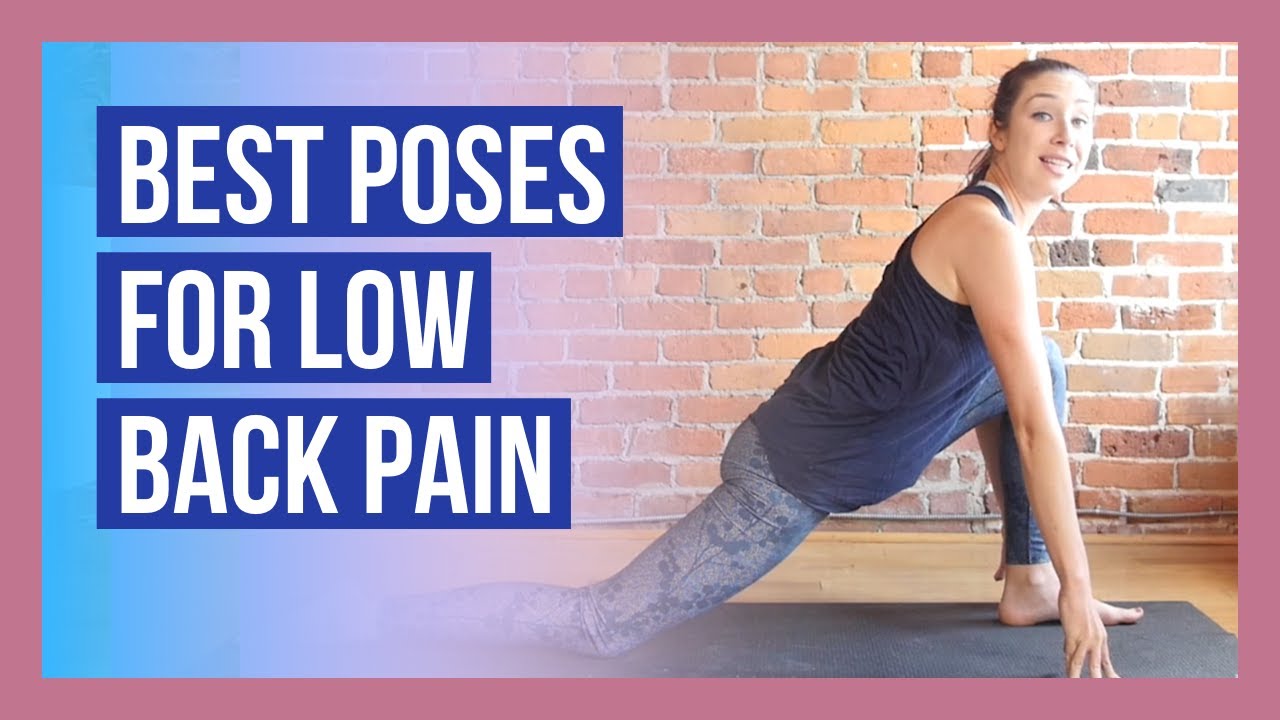
It’s the end of another long day, and that familiar ache has settled into your lower back again. You’ve been hunched over a laptop for hours, your shoulders are tight, and standing up straight feels like a small negotiation with your own spine.
You’re not alone. Back pain has become one of the most common complaints of modern life, driven by long hours of sitting, poor posture, heavy bags, and the quiet tension that stress plants in our muscles. Painkillers might dull the discomfort for a while, but they don’t touch what’s actually causing it.
This is where yoga comes in, and not as some mystical cure. As a practical, gentle tool. The right yoga poses can stretch tight muscles, strengthen the core that supports your spine, improve your posture, and calm the nervous system that amplifies pain.
Here’s what many people get wrong, though. They assume more intense stretching means faster relief, so they push hard, force poses, and sometimes make things worse. Back pain relief through yoga is the opposite. It rewards gentleness, consistency, and listening to your body.
This guide walks you through the best yoga poses for back pain, how to do each one safely, and which ones to approach with caution. You’ll also learn how yoga supports spine alignment and core strength, the two foundations of a healthier back.
A quick but important note before we begin: this is general information, not medical advice. If your pain is severe, persistent, or tied to a specific condition, talk to a doctor or physical therapist before starting.
Strategic Executive Summary
The best yoga poses for back pain focus on three things: gently stretching tight muscles, strengthening the core and back, and improving spinal mobility and alignment. Done consistently and safely, they can offer real relief.
You’ll learn why yoga works for back pain in the first place. It strengthens the core, improves flexibility, enhances posture, and reduces stress, all of which support a healthier spine and help prevent pain from returning. This is about addressing causes, not just masking symptoms.
This guide covers the most effective and widely recommended poses. Gentle relief poses like Child’s Pose, Cat-Cow, and Knees-to-Chest. Strengthening poses like Bridge and Locust. And mobility poses like the Supine Twist and Sphinx, which support spine alignment.
You’ll get clear, beginner-friendly instructions for each pose, along with modifications so you can adapt them to your body. The emphasis throughout is on safety, because the wrong approach can aggravate back pain rather than ease it.
Crucially, you’ll learn the safety principles that matter most. When to move slowly, which sensations to respect, why consistency beats intensity, and when a particular condition means you should check with a professional first.
Most importantly, you’ll understand that yoga for back pain is a gentle, gradual practice. It isn’t an instant fix. It’s a steady habit that, over time, builds a stronger, more flexible, more resilient back, while calming the mind along the way.
You can also read about Why Rubber Flooring Is the Smart Choice for Modern Homes.
Why Yoga Helps Relieve Back Pain
Yoga relieves back pain by stretching tight muscles, strengthening the core that supports the spine, improving posture, and reducing stress. Together, these effects address common causes of back pain rather than just masking the discomfort.
To use yoga well, it helps to understand why it works.
The first benefit is muscle release. Much back pain comes from tight, overworked muscles caused by prolonged sitting and poor posture. Stretching your lower back won’t necessarily fix the underlying cause, but it can help you manage discomfort and increase mobility by relaxing tight muscles.
The second is core strength. A strong core acts like a natural brace for your spine. Engaging the core is essential for stabilizing the spine and preventing future strain, which is why yoga for core and back works so well together.
The third is the breath. Taking slow, deep breaths, as you do in yoga, can also help reduce back pain. The calming effect on the nervous system matters, because stress and tension often intensify how we feel pain.
Finally, there’s posture and alignment. Many of these poses gently encourage healthy spine alignment, counteracting the rounded, hunched positions we hold all day. Over time, better posture means less strain on your back.
Important Safety Notes Before You Start
Move slowly, never force a pose, and stop immediately if you feel sharp pain. Consistency matters more than intensity. If your back pain is severe, persistent, or linked to a specific condition, consult a doctor first.
Safety isn’t a footnote here. It’s the foundation of the entire practice.
The golden rule is simple. Move slowly, listen to your body, and avoid forcing any posture that causes sharp pain or discomfort. A gentle stretch is good. A sharp or shooting sensation is a signal to back off.
Whether yoga helps also depends on the cause of your pain. Certain poses might bring relief while others aggravate your condition, so it’s wise to consult a doctor to understand the cause of your issue before stretching. This is especially true for specific conditions like a herniated or bulging disc.
Consistency beats intensity every time. Start with short sessions and gradually increase your practice time rather than pushing hard in a single long session. A few gentle minutes daily do more good than an occasional aggressive stretch.
And know when to seek help. If your back pain doesn’t improve within a few weeks, is severe, or limits your daily movement, gentle exercise may not be enough, and you should speak to your doctor. A professional can recommend specific poses to favor or avoid for your situation.
Cat-Cow: Gentle Spinal Mobility
Cat-Cow is one of the most recommended poses for back pain. This flowing movement between arching and rounding the spine improves spinal mobility, loosens stiff muscles, and increases blood flow to the back.
Cat-Cow is often the very first pose people learn for back relief, and for good reason.
Start on your hands and knees in a tabletop position, with your wrists beneath your shoulders and knees beneath your hips. As you inhale into Cow, let your belly drop toward the floor while lifting your chest and gaze slightly upward. As you exhale into Cat, round your spine toward the ceiling and tuck your chin toward your chest.
Move slowly between the two shapes, following the rhythm of your breath. Flow for around 8 to 10 slow, steady rounds, focusing on smooth transitions and full spinal movement.
This pose gently mobilizes the entire spine, which is why it’s a favorite for spine alignment and morning stiffness. If kneeling is uncomfortable, you can do a seated version in a chair, placing your hands on your knees and alternating between arching and rounding your back.
Child’s Pose: Restful Lower Back Release
Child’s Pose is a gentle resting posture that stretches the lower back, hips, and thighs while calming the mind. It offers immediate relief for mild back discomfort and works well as a recovery pose.
If one pose deserves to be in every back-care routine, it’s this one.
Kneel on your mat with your big toes touching and your knees spread wide. Sit back toward your heels, then slowly walk your hands forward, lowering your torso toward the floor. Rest your forehead on the ground and breathe deeply, holding for 30 to 60 seconds.
The beauty of Child’s Pose is its gentleness. Prioritize feeling relief in your back over stretching your hamstrings, which means you can bend your knees to relieve tension on your lower back.
For extra comfort, place a folded blanket beneath your knees or a pillow under your forehead. You can hold this pose for anywhere from 30 seconds up to several minutes, returning to it whenever you need a moment of release during your practice.
Downward-Facing Dog: Lengthen the Whole Back
Downward-Facing Dog stretches and strengthens the entire back body, from the spine to the hamstrings. It relieves tightness while building strength, making it a versatile pose for back health.
This iconic pose does double duty, both stretching and strengthening.
Begin on all fours in tabletop. Tuck your toes, press your hands firmly into the floor, and lift your hips up and back toward the ceiling, forming an inverted V shape. The more you bend your knees, the less strain on your lower back, so keep a generous bend if needed.
Press down through your knuckles, draw your shoulders away from your ears, and let your head and neck relax. Breathe steadily here for several breaths.
This pose lengthens the spine and the back of the legs, relieving tension that builds from sitting. When you’re ready to rest, simply lower your knees and push your hips back into Child’s Pose. Keep the knees bent enough that the focus stays on your back rather than straining tight hamstrings.
Sphinx and Cobra: Gentle Spinal Extension
Sphinx and Cobra are gentle backbends that support the natural curve of the lower back and engage the core. As spinal extension poses, they help counteract the forward hunching of daily life.
Most of us spend the day rounding forward, so gentle backbends restore balance.
For Sphinx, lie on your stomach with your legs extended and feet hip-width apart. Prop yourself up on your forearms with your elbows directly under your shoulders, gently press your hips into the floor, and lift your chest, feeling a light stretch in the lower back. This is one of the safest spinal extension yoga poses for beginners.
Cobra is a slightly deeper version. Lie on your belly with your palms near your ribs, then use your back muscles, not your hands, to lift your chest off the floor. Cobra Pose helps build strength in the lower back and promotes good posture with proper form.
The critical safety cue applies to both. If you feel any sharp pain, lower your chest immediately. These poses should feel like a gentle opening, never a strain.
Bridge Pose: Strengthen Back and Core
Bridge Pose strengthens the back, glutes, and hamstrings while gently stretching the spine and hips. It builds the core and back strength that stabilizes the spine and helps prevent future pain.
While stretching eases existing discomfort, strengthening helps prevent it from returning.
Lie on your back with your arms at your sides, palms down. Bend your knees so your feet rest flat on the floor near your buttocks. Slowly raise your hips upward, keeping your core tight and pressing into your shoulders, lifting as high as is comfortable while squeezing your glutes and core.
Hold for around 20 to 30 seconds, then slowly lower your body back to the mat. This pose is excellent for yoga to strengthen the back and core, the muscles that act as your spine’s support system.
Pay attention to any discomfort as you lift, and only raise your hips as high as feels good. The goal is steady strengthening, not maximum height. A strong, stable core is one of the best long-term defenses against recurring back pain.
Supine Twist: Release Lower Back Tension
The Supine Twist, sometimes called the two-knee twist, is a gentle reclining twist that releases tension and tightness in the lower back. It’s accessible, soothing, and ideal at the end of a practice.
Twists can feel wonderful for a tired, tight back when done gently.
Lie on your back and draw both knees toward your chest. The supine twist is an accessible movement that relieves tension and tightness in the lower back. Slowly lower both knees to one side while keeping your shoulders grounded, then turn your gaze gently in the opposite direction if it feels comfortable.
Breathe deeply and let gravity do the work. There’s no need to force the knees all the way down. You can place a cushion under them for support. Hold for several breaths, then bring the knees back to center and repeat on the other side.
This gentle two-knee twist is a beautiful way to close a session, releasing the day’s tension from your spine. As always, keep the movement slow and stop if anything feels sharp rather than soothing.
What About a Bulging or Herniated Disc?
Yoga may help with a bulging disc, but only certain gentle poses, and only with professional guidance. Some poses can aggravate disc issues, so anyone with a diagnosed disc problem should consult a doctor or physical therapist first.
This is where caution becomes essential, and where general advice has clear limits.
A bulging or herniated disc is a specific medical condition, and what helps one person may harm another. Gentle spinal extension poses like the Sphinx are sometimes recommended, since press-up style movements appear in physical therapy for the lower back. But this varies enormously by individual.
The honest answer to whether yoga is good for a bulging disc is that it depends entirely on your specific situation. Whether you should practice yoga depends largely on the cause of your back pain, since certain poses bring relief while others aggravate the condition.
For this reason, anyone with a diagnosed disc issue should not self-prescribe a yoga routine. Work with a doctor or physical therapist who can tell you which poses to favor and which to avoid for your particular case.
If you ever notice low back pain after yoga that’s new or worsening, treat it as a signal. Ease off, reassess your form, and seek professional input rather than pushing through.
How to Build a Safe Back-Care Routine
A few simple principles turn these poses into a genuinely helpful habit.
Start gently and build gradually. During pain flare-ups, aim for two to three short, gentle sessions a week, and for general recovery, a daily practice of around 20 to 30 minutes works well. Begin with just 10 to 15 minutes if you’re new.
Use props freely. Blankets, blocks, and cushions aren’t a sign of weakness. They make poses safer and more accessible, letting you find relief without strain.
Favor consistency over intensity. A short, gentle session most days will do far more for your back than an occasional aggressive stretch. Small, steady efforts compound over time.
Always listen to your body. Relief and gentle stretching are good. Sharp, shooting, or worsening pain means stop. Trust those signals over any instruction, including these.
You can also read about Best Wall to Wall Carpet Dubai for Homes & Offices.
Frequently Asked Questions
Q: What are the best yoga poses for back pain?
A: Gentle, effective options include Child’s Pose, Cat-Cow, Downward-Facing Dog, Sphinx, Bridge, and the Supine Twist. Together they stretch, strengthen, and mobilize the spine.
Q: Can yoga make back pain worse?
A: Yes, if done too aggressively or with the wrong poses for your condition. Move slowly, never force a posture, and stop if you feel sharp pain. Consult a professional for serious pain.
Q: How often should I do yoga for back pain?
A: For flare-ups, two to three gentle short sessions a week. For ongoing recovery, a daily 20 to 30 minute practice works well. Start small and build gradually.
Q: Is yoga good for a bulging disc?
A: It can help in some cases, but only with gentle poses and professional guidance. Some poses aggravate disc issues, so consult a doctor or physical therapist before starting.
Q: Can yoga help with upper back pain too?
A: Yes. Gentle poses like Cat-Cow and Child’s Pose, along with shoulder-opening movements, can ease upper back tension, often caused by hunching over screens.
Q: Does yoga help with spine alignment?
A: Yes. Many of these poses improve posture and spinal mobility, gently counteracting the rounded positions we hold all day and supporting healthier alignment over time.
Q: I felt low back pain after yoga. What should I do?
A: Ease off and reassess your form and pose selection. New or worsening pain is a signal to stop and, if it continues, to consult a doctor or physical therapist.
Conclusion: Gentle, Consistent Relief
So what’s the real secret to using yoga for back pain? It isn’t a single magic pose. It’s a gentle, consistent practice that stretches what’s tight, strengthens what’s weak, and calms what’s tense.
Remember that end-of-day ache from the opening, the stiff back after hours at a desk? These poses offer a genuine, accessible way to address it, not by forcing your body, but by gently inviting it back into balance.
The key takeaways are simple. Use gentle poses like Child’s Pose and Cat-Cow for relief, strengthening poses like Bridge for support, and mobility poses like the Supine Twist for release. Move slowly, breathe deeply, and let consistency do the heavy lifting.
Above all, respect your body’s signals. Relief is the goal, and sharp pain is never part of the path. When in doubt, especially with conditions like a bulging disc, check with a professional first.
Your next step is easy. Pick two or three of these poses, roll out a mat, and spend just ten gentle minutes today. Tomorrow, do it again. Over time, that small, steady habit can build a stronger, more flexible, and more comfortable back.
Which of these poses brings you the most relief, or which back-care routine has worked for you? Share your experience in the comments below.
This article is for general informational purposes only and is not a substitute for professional medical advice. Always consult a doctor or physical therapist before starting a new exercise program, especially if you have a specific back condition.