


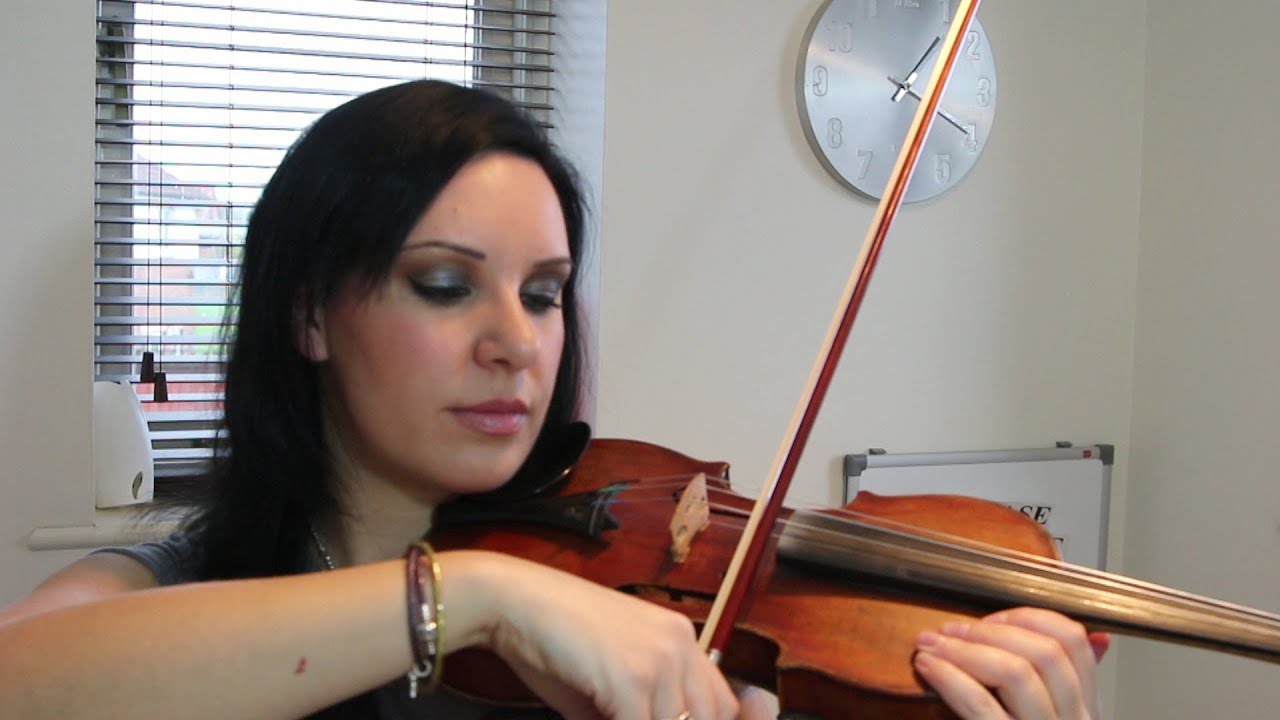
Learning the violin takes patience, discipline, and the right approach. Most beginners pick up the instrument with great excitement but lose motivation within weeks. The reason is almost always the same. They practice without a plan and expect fast results from random effort.
The truth is that smart violin practice matters far more than long hours. A focused thirty-minute session beats two hours of mindless repetition every single time. When you understand how to structure your time, track your progress, and target your weak spots, everything changes. Your tone improves. Your fingers move with more confidence. Even difficult passages start to feel natural.
This guide breaks down proven violin practice tips that help beginners and intermediate players grow faster. You will learn how to build a solid practice routine, strengthen your technique, and avoid the common mistakes that hold most players back. Whether you started learning the violin last month or you have been playing for years, these strategies will push your skills forward.
Build A Consistent Routine
The single most powerful thing you can do for your violin learning is to practice at the same time every day. Your brain builds stronger neural pathways through consistency. Skipping three days and then cramming a long session on the weekend does very little for muscle memory.
Start with a realistic schedule. If you can only commit to twenty minutes a day, that is perfectly fine. Short daily sessions create far better results than occasional marathon sessions. Set a specific time, put your violin case in a visible spot, and treat your practice like an appointment you cannot cancel.
A good violin practice routine has three parts. Begin with five minutes of warm-up scales and open strings. Spend the middle section working on your hardest piece or technique. End with something enjoyable, like a favorite song. This structure keeps your sessions productive and rewarding at the same time.
Slow Practice Changes Everything
Here is a bold opinion that most players resist. You should spend at least half of your practice time playing at extremely slow tempos. Speed is not a sign of skill. Control is. Playing slowly forces your brain to process every note, every bow stroke, and every finger placement with full attention.
Use a metronome app like Soundbrenner or the built-in metronome in Modacity. Set the tempo at half the target speed and play your passage perfectly three times in a row. Only then should you increase the tempo by five beats per minute. This method feels painfully slow in the moment, but it builds accuracy that sticks.
Many violinists rush through difficult sections because slow practice feels boring. That impatience is exactly what creates sloppy habits. The players who master hard pieces fastest are almost always the ones who spent the most time playing them slowly.
Target Your Weak Spots
Most people practice what they already play well because it feels good. That approach wastes time. Real improvement comes from identifying and attacking your weakest areas with laser focus. This is one of the most important violin techniques for accelerating your growth.
Record yourself playing a full piece on your phone. Listen back the next day with fresh ears. You will immediately hear the spots where your intonation drifts, your tone gets scratchy, or your rhythm stumbles. Write those sections down and dedicate at least ten minutes of each session to fixing them.
Break problem passages into tiny chunks of just two or three notes. Practice those micro-sections in isolation until they feel easy. Then gradually expand the chunk by adding one note before and after. This method is far more effective than playing the whole piece from start to finish and hoping the rough spots magically improve.
Strengthen Your Bow Control
Bow technique separates good violinists from great ones. Yet most beginners focus almost entirely on their left hand. Your right arm controls your tone, dynamics, and expression. Neglecting it is like learning to drive but ignoring the steering wheel.
Practice long, slow bow strokes on open strings every day. Focus on keeping the bow straight and parallel to the bridge. Listen for an even, consistent tone from frog to tip. This simple exercise builds the foundational bow control that every advanced violin technique depends on.
Try the “highway lanes” approach that many violin teachers recommend. Imagine three lanes between the bridge and fingerboard. Playing near the bridge produces a focused, powerful sound. Playing near the fingerboard gives a softer, warmer tone. Practice moving between these lanes deliberately so you can control your sound color at will.
Use Smart Practice Tools
Technology offers some genuinely helpful resources for violin practice. The key is choosing tools that solve a specific problem rather than downloading every app available.
Modacity is a practice journal app that tracks your time, records sessions, and helps you organize your violin practice routine. It has a built-in metronome and tuner, which eliminates the need for separate devices. The free version covers basic features, though the paid plan adds detailed progress analytics. One downside is that the interface can feel cluttered for new users.
Trala is another solid option specifically designed for violin learning. It uses your phone microphone to give real-time feedback on pitch accuracy. The guided lessons work well for beginners, but advanced players may find the content too basic. It works best as a supplement to lessons with a real teacher, not a replacement.
For free options, a simple voice recorder app and a clip-on tuner like Snark SN5X cover the essentials. Recording yourself is the single most underrated violin exercise for improving quickly.
What Most Guides Miss
Almost every article about practicing violin focuses only on the physical act of playing. Very few talk about mental practice, which research shows is surprisingly effective. Visualization, or mentally rehearsing a piece without touching your instrument, activates many of the same brain regions as physical practice.
Spend five minutes before bed visualizing a difficult passage. Picture your fingers landing on the correct spots. Hear the notes in your mind. Feel the bow weight in your imagination. Studies from the Journal of Research in Music Education have shown that musicians who combine mental and physical practice outperform those who only practice physically.
This is especially useful for learning how to practice violin without a violin during travel or late at night when noise is a concern. Mental rehearsal keeps your brain engaged with the music even when playing is not possible.
You can also read about Graduation Cake Ideas.
Future Of Violin Practice
By 2030, artificial intelligence will likely transform how people learn violin. We are already seeing early versions of AI-powered practice apps that analyze bowing technique through camera input. Within a few years, expect real-time holographic overlays that show you exactly where to place your fingers and how to adjust your bow angle.
These tools will not replace human teachers. But they will make high-quality violin training accessible to people in areas where private instruction is expensive or unavailable. The combination of a skilled teacher and smart technology will become the gold standard for violin learning.
Summary
Smart violin practice tips can transform your playing faster than raw hours ever will. Building a consistent daily routine, even a short one, creates the muscle memory and discipline that every violinist needs. Slow practice is the secret weapon that most players resist but the best performers swear by. Targeting your weakest spots with focused repetition eliminates bad habits before they become permanent.
Bow control deserves equal attention alongside left-hand technique. Practicing long, even strokes on open strings builds the foundation for beautiful tone and expressive playing. Technology tools like Modacity and Trala can supplement your practice, though they work best alongside a real teacher rather than as a standalone solution.
Mental practice through visualization is the overlooked strategy that separates dedicated players from casual ones. Combining physical and mental rehearsal strengthens your connection to the music and accelerates your progress. Whether you are a complete beginner or an intermediate player hitting a plateau, these violin practice tips will help you break through and reach the next level of your playing.
You can also read about AP Bio Score Calculator.
Final Thoughts
Every great violinist started exactly where you are right now. The difference between those who quit and those who thrive comes down to how they practice, not how much talent they were born with. Pick one tip from this guide and add it to your next session. Small changes compound over time into remarkable results.
Your violin journey is personal, and progress will not always feel linear. Some weeks you will improve quickly. Other weeks will feel like nothing is changing. Trust the process, stay consistent, and remember that the goal is not perfection. The goal is steady, enjoyable growth that keeps you coming back to your instrument day after day.