


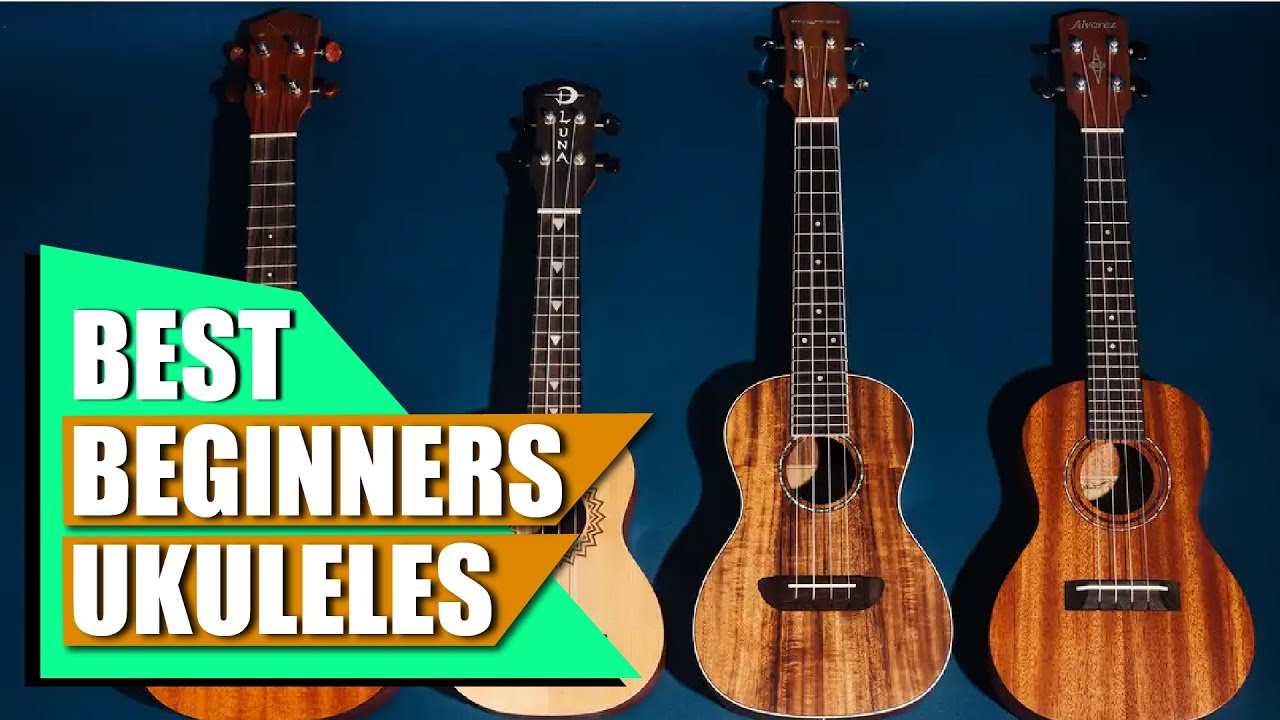
You’ve decided to learn the ukulele. Maybe you’ve watched someone strum effortlessly and thought, “I could do that.” And you’re right, you can. The ukulele is famous for being one of the most beginner-friendly instruments in the world, with just four strings and a gentle learning curve that lets you play real songs within days.
But before the music starts, there’s a hurdle. You go to buy your first ukulele and discover a bewildering wall of choices. Different sizes, wildly different prices, dozens of brands you’ve never heard of, and countless “starter kits” all promising to be perfect. Suddenly, the easy instrument feels complicated before you’ve even played a note.
Here’s the reassuring truth. Choosing a great beginner ukulele isn’t hard once you understand a few key basics. You don’t need to spend a fortune, and you don’t need to be an expert. You just need to know what actually matters, and what to safely ignore.
The most important lesson upfront? Avoid the ultra-cheap toy ukuleles. A well-made instrument from a reputable brand will stay in tune, feel good to play, and actually help you learn, while a twenty-dollar toy can frustrate you into quitting.
This guide walks you through everything: the different sizes, what to look for, how much to spend, and the trusted brands and models beginners love. By the end, you’ll know exactly how to pick a first ukulele that makes learning a joy.
Strategic Summary
This guide helps you choose the best ukulele for beginners, covering sizes, key features, budget, and the trusted brands worth your money.
You’ll first learn about the four ukulele sizes: soprano, concert, tenor, and baritone. Understanding these is the single most important step, since size affects both sound and comfort.
The guide explains what actually matters in a beginner ukulele, including geared tuners, playable setup, and build quality, so you can tell a real instrument from a toy.
You’ll get clear guidance on how much to spend, with a recommended budget range that balances quality and value without overspending on your first instrument.
The guide then covers the most trusted, beginner-friendly brands and popular models, giving you reliable starting points rather than leaving you to guess among unknown names.
You’ll also find specific advice for particular needs, including the best options for children and for adults with larger hands, plus what to avoid.
By the end, you’ll be able to confidently choose a quality beginner ukulele that stays in tune, feels comfortable, and makes learning enjoyable, setting you up for a rewarding musical journey rather than early frustration.
You can also read about How Zenith Prep Academy Shaped.
Understanding Ukulele Sizes
Ukuleles come in four main sizes: soprano, concert, tenor, and baritone. Soprano is the smallest with the classic bright sound, concert is slightly larger and popular with beginners, tenor is bigger still, and baritone is the largest with a deeper tone.
Choosing a size is the first and most important decision, so let’s break it down.
The soprano is the smallest and most traditional ukulele, around 21 inches long. It produces the classic bright, cheerful “plinky” sound most people associate with the instrument. It’s highly portable and affordable, but its small body and tight fret spacing can feel cramped for adults with larger hands.
The concert ukulele, around 23 inches, is slightly larger. It offers a fuller, warmer tone and more comfortable spacing between the frets, which many beginners find easier for forming chords. This balance of traditional sound and comfort makes it a favorite “goldilocks” choice for adult beginners.
The tenor ukulele, around 26 inches, is larger still, with even more room on the fretboard and a richer, deeper tone. It’s popular with performers and fingerpickers, and works well for those with bigger hands, though it’s a touch less portable.
The baritone is the largest, around 30 inches, with a deep, mellow tone. Notably, it’s tuned differently from the others, matching the top four strings of a guitar, which can make it appealing for guitar players. All this matters because the right size is really about what feels comfortable in your hands.
What Size Should a Beginner Choose?
For most adult beginners, the concert size is the best all-around choice, offering comfortable fret spacing and a warm tone. Soprano suits children and those wanting the classic sound, while tenor works well for larger hands.
With four sizes to pick from, here’s how to narrow it down.
For the majority of adult beginners, the concert ukulele is the recommended starting point. Its slightly larger body and roomier fretboard make learning chords more comfortable than a soprano, while it still delivers a lovely, warm tone and stays reasonably portable. If you’re unsure, concert is the safe, versatile pick.
The soprano remains an excellent choice if you specifically want that bright, traditional ukulele sound, or if maximum portability and lowest cost appeal to you. It’s also a classic option, just be aware the smaller size can feel tight for bigger hands.
If you have larger hands or you already know you want to fingerpick, consider jumping to a tenor. The extra fretboard space can make playing more comfortable, and the richer tone is rewarding.
The baritone is usually a more specialized choice, often appealing to guitar players because of its guitar-like tuning. For a typical first ukulele aiming for the classic sound, though, concert or soprano is the more natural starting point. Above all, choose the size that feels good in your hands, since comfort keeps you practicing.
What to Look for in a Beginner Ukulele
The most important features in a beginner ukulele are geared tuners that hold pitch, a good factory setup with comfortable string height, and quality construction from a reputable brand. These ensure the instrument stays in tune and is enjoyable to play.
Beyond size, a few key features separate a real instrument from a frustrating toy.
Geared tuners are perhaps the most crucial feature. Cheaper ukuleles often use friction tuners, small pegs that slip constantly and force you to retune every few minutes. Geared tuners hold pitch reliably, so you spend your practice time learning chords instead of fighting the tuning. This single feature makes an enormous difference for beginners.
A good factory setup matters just as much. This refers to the string height above the fretboard, known as the action. If the strings sit too high, the ukulele is hard to press down and uncomfortable to play. Reputable brands set up their instruments so they’re playable right out of the box.
Build quality and materials also count. Most beginner ukuleles use laminate wood, which is durable and affordable, and mahogany or similar tonewoods produce a warm, pleasant sound. Solid wood offers richer tone but costs more and needs more careful care, so laminate is perfectly fine to start.
Finally, buying from a reputable brand is the simplest way to guarantee these qualities. Established makers deliver consistent quality, decent tuners, and reliable setups, which is exactly what a beginner needs to succeed.
How Much Should You Spend?
For a quality beginner ukulele, plan to spend roughly $60 to $150. This range gets you a reliable, playable instrument from a reputable brand. Avoid ultra-cheap ukuleles under about $40, which are often unplayable toys.
Budget is a common worry, so here’s honest guidance.
The sweet spot for a first ukulele is generally around $60 to $150. In this range, you’ll find well-made instruments from trusted brands that stay in tune, feel comfortable, and sound genuinely good. This is enough to get a quality instrument without overspending before you know how committed you’ll be.
It’s tempting to grab a twenty or thirty dollar ukulele online, but this is usually a mistake. At that price, instruments often have poor intonation, meaning they sound out of tune even when tuned correctly, along with slipping tuners and uncomfortable setups. These “glorified toys” frustrate learners and cause many to quit.
That said, you also don’t need to spend a fortune. High-end ukuleles costing several hundred dollars or more are wonderful, but they’re overkill for a beginner. You can always upgrade later as your skills and passion grow.
Many beginner ukuleles in the recommended range also come as starter kits, bundling a gig bag, tuner, and extra strings. From a reputable brand, these kits can offer excellent value, giving you everything you need to start in one purchase. Just make sure the ukulele itself, not just the accessories, is from a trusted maker.
Trusted Beginner Ukulele Brands
The most trusted beginner ukulele brands include Kala, Cordoba, Lanikai, Donner, and Fender. These makers consistently produce reliable, well-set-up instruments at beginner-friendly prices, making them safe choices for your first ukulele.
Sticking with a reputable brand removes most of the guesswork.
Kala is widely regarded as one of the top modern ukulele brands and a go-to for beginners. It offers a huge range spanning all sizes and price points, known for consistent quality and reliable playability. Popular beginner models like its entry-level soprano and concert ukuleles have introduced countless people to the instrument. The affordable Makala line, made by the same company, is another common beginner recommendation.
Cordoba brings its classical guitar expertise to ukuleles, producing instruments prized for warm tone and elegant design. Its beginner-oriented series, like the popular 15 series concert model, is frequently praised for quality tonewoods and good factory setups at reasonable prices.
Lanikai is a long-established brand that helped shape the modern ukulele scene, offering dependable entry-level instruments across all sizes. Its classic beginner models have a strong reputation built over decades.
Other solid choices include Donner, known for great-value starter kits with useful included accessories, and Fender, the famous guitar maker, which offers stylish, well-playing ukuleles. Brands like Oscar Schmidt, Ohana, and Kmise are also worth considering. Any of these gives you a trustworthy foundation for your first instrument.
Popular Beginner Ukulele Models
Popular, well-regarded beginner ukulele models include the Kala KA-15S soprano, the Cordoba 15CM concert, the Kala KA-C concert, and the Donner DUC-1 concert kit. These are frequently recommended for their reliability and value.
To make things concrete, here are some widely loved starting points.
Among sopranos, the Kala KA-15S is one of the most popular beginner ukuleles in the world. It’s celebrated for its reliable geared tuners, consistent factory setup, and traditional bright tone, making it a dependable classic first instrument for those who want the traditional size and sound.
For concert-size seekers, the Cordoba 15CM is a frequent favorite. Its concert body offers a fuller, warmer tone and roomier fretboard, and it’s often praised for arriving well set up and playable. The all-mahogany Kala KA-C is another well-loved concert option, known for its warm, balanced sound and quality components.
For those wanting a complete package, the Donner DUC-1 concert ukulele is popular for including genuinely useful accessories like a gig bag, strap, tuner, and extra strings, offering strong value for absolute beginners.
If you have larger hands or want a richer tone, tenor versions from these same brands, like Kala’s tenor models, are excellent. The key theme is that these come from trusted makers with proven track records. Rather than fixating on one exact model, choose a well-reviewed option in your preferred size from a reputable brand, and you’ll be in great shape.
Best Ukuleles for Kids and Special Needs
For children, smaller soprano ukuleles from trusted brands are ideal, with durable options like the Makala Dolphin being popular. For adults with large hands, concert or tenor sizes offer more comfortable playing room.
Some beginners have specific needs worth addressing directly.
For kids, the soprano size is usually the best fit, as its small body suits smaller hands and bodies. A durable, affordable, and well-made kid-friendly model, like the widely recommended Makala Dolphin, offers a great combination of playability and fun colors without being a cheap toy. The goal is something real enough to stay in tune but rugged enough for a child.
For a fun, worry-free option for kids or outdoor use, a composite plastic ukulele like the Kala Waterman is popular. It’s durable, water-resistant, affordable, and comes in bright colors, making it great for beach trips or younger players, though its sound is less warm than wood.
For adults with larger hands, don’t force yourself onto a small soprano if it feels cramped. Stepping up to a concert or tenor size gives you more room between the frets, making chords easier and playing more comfortable and enjoyable.
Whatever the specific need, the same core principle applies. Choose a reputable brand and prioritize comfort and playability. A properly sized, well-made instrument from a trusted maker sets any beginner, young or old, up for success.
You can also read about How SPC Flooring Offers a Stylish.
Frequently Asked Questions
Q: What is the best ukulele size for beginners? A: The concert size is best for most adult beginners, offering comfortable fret spacing and a warm tone. Soprano suits children and those wanting the classic sound, while tenor fits larger hands.
Q: How much should I spend on my first ukulele? A: Plan for around $60 to $150 for a quality beginner instrument from a reputable brand. Avoid ultra-cheap ukuleles under about $40, which are often unplayable toys.
Q: What is the best beginner ukulele brand? A: Kala is widely considered the top beginner brand, alongside Cordoba, Lanikai, Donner, and Fender. All consistently produce reliable, well-set-up, beginner-friendly instruments.
Q: Should beginners start with a soprano ukulele? A: Not necessarily. While soprano is traditional and portable, many adults find concert size more comfortable for learning chords. Choose based on hand comfort, not just tradition.
Q: What features matter most in a beginner ukulele? A: Geared tuners that hold pitch, a good factory setup with comfortable string height, and quality construction from a reputable brand are the most important features for beginners.
Q: What is a good beginner ukulele for kids? A: A small soprano from a trusted brand is ideal, like the popular Makala Dolphin. Durable composite options like the Kala Waterman are also great for younger or outdoor players.
Q: Do I need a starter kit or just the ukulele? A: A starter kit from a reputable brand offers good value, bundling a gig bag, tuner, and strings. Just ensure the ukulele itself, not only the accessories, is from a trusted maker.
Conclusion: Start Your Musical Journey Right
So what’s the best ukulele for beginners? The answer is a well-made, properly sized instrument from a reputable brand, and now you know exactly how to find one.
Remember that overwhelming wall of choices from the opening? It’s much simpler now. You understand the four sizes, why concert is the versatile all-rounder for most adults, and what features truly matter, like geared tuners and a good setup.
The key takeaways are clear. Choose a comfortable size, usually concert for adults or soprano for kids and traditionalists. Spend in the sweet spot of roughly $60 to $150. Stick with trusted brands like Kala, Cordoba, Lanikai, Donner, or Fender. And avoid the ultra-cheap toys that lead to frustration.
Getting this first choice right matters more than anything, because a ukulele that stays in tune and feels good to play makes learning genuinely fun. That joy is what keeps you picking it up day after day, which is how you actually learn.
Your next step is easy. Decide on your size, set your budget, and pick a well-reviewed model in that range from one of the trusted brands above. Then bring it home, tune it up, and start strumming. Your musical journey is about to begin.
Which ukulele size are you leaning toward, and what songs are you hoping to play first? Share your plans in the comments below.