


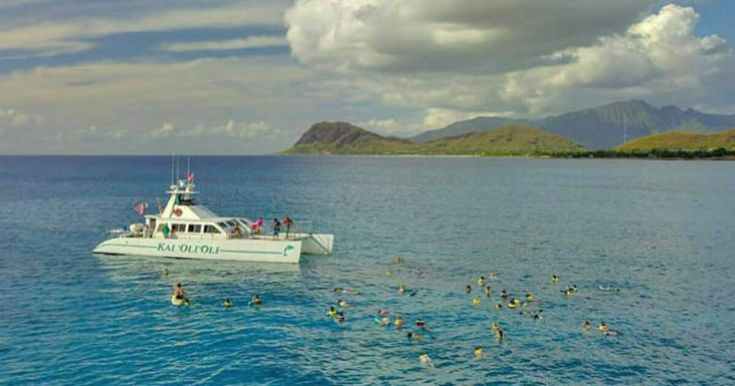
You’re floating face-down in the warmest, clearest water you’ve ever felt, and suddenly the world below opens up. A Hawaiian green sea turtle glides beneath you, unbothered. Schools of yellow tang shimmer past a coral wall. A sleek reef shark, harmless and graceful, cruises the deeper blue. This is the moment every Hawaii traveler dreams of.
But here’s the thing. Hawaii has hundreds of beaches spread across multiple islands, and they are absolutely not created equal when it comes to snorkeling. Show up at the wrong beach, and you’ll find murky water and an empty reef. Show up at the right one, and you’ll swim through a living aquarium.
The challenge is knowing where those magical spots actually are, and which island best matches the underwater adventure you’re picturing. Oahu, Maui, the Big Island, and Kauai each offer world-class snorkeling, but each has its own signature spots and its own personality beneath the waves.
That’s exactly what this guide solves. Instead of guessing, you’ll get a clear breakdown of the best places to snorkel across Hawaii, organized by island, so you can plan your trip around the reefs that suit you best.
We’ll cover the top spots on each island, what makes each special, tips for visiting the famous protected bays, and essential safety advice, because the ocean is beautiful but deserves respect. Let’s dive into the best snorkeling Hawaii has to offer.
Strategic Summary
This guide covers the best places to snorkel in Hawaii, organized by island so you can match your trip to the perfect underwater spots.
You’ll first get help choosing an island. Each of Hawaii’s main islands offers exceptional snorkeling, and understanding their differences helps you plan the ideal reef-focused trip.
The guide then breaks down the top spots on Oahu, including the famous protected Hanauma Bay, along with practical details on its reservation system and best conditions.
You’ll discover the Big Island’s standout snorkeling, from the legendary Kealakekua Bay to the unforgettable manta ray night snorkel that draws visitors from around the world.
Maui and Kauai get their own sections too, covering iconic spots like Molokini Crater and beautiful reefs suited to different skill levels and interests.
Crucially, the guide includes essential safety guidance. Snorkeling in Hawaii is wonderful but carries real risks, so you’ll learn key precautions to keep your adventure safe and enjoyable.
By the end, you’ll know exactly which island and which spots suit your ability, your group, and the kind of underwater experience you want, so you can plan a Hawaii snorkeling trip you’ll never forget.
You can also read about Mashable Connections Hint Today.
Which Hawaiian Island Has the Best Snorkeling?
Each Hawaiian island offers excellent snorkeling. Oahu is great for convenience and famous protected bays, the Big Island for pristine reefs and manta rays, Maui for Molokini Crater, and Kauai for beautiful, less-crowded spots.
There’s no single winner, since the best island depends on what you want.
Oahu is ideal if you want world-class snorkeling combined with the convenience of a bustling island. It’s home to the iconic Hanauma Bay and is easy to reach for most visitors, making it perfect for first-timers and those wanting variety close to Waikiki.
The Big Island is often considered a top choice for pure reef quality. Its clear waters, healthy coral, and famous marine encounters, including the manta ray night snorkel, make it a favorite for serious snorkelers seeking pristine conditions.
Maui is legendary for Molokini Crater, a partially submerged volcanic crater offering incredible visibility, along with other strong reef spots. It’s a fantastic all-around snorkeling island with many boat tour options.
Kauai offers beautiful, often less-crowded snorkeling, though its more exposed coastline means conditions vary more by season. It’s great for those wanting scenic, relaxed reef days away from the biggest crowds. The best approach is to pick the island whose signature experiences excite you most.
Best Snorkeling on Oahu
Oahu’s best snorkeling spots include the famous Hanauma Bay, a protected marine preserve, along with Shark’s Cove, Electric Beach, and Kuilima Cove. Together they offer options for every skill level, from beginners to advanced.
Oahu packs remarkable variety into one accessible island.
Hanauma Bay is the crown jewel and Oahu’s most iconic snorkeling destination. This protected marine preserve, set within a curved volcanic crater, shelters over 400 species of fish in calm, shallow water. Its inner reef is wonderful for beginners and families, while the outer reef rewards confident swimmers. Because it’s so popular and protected, it requires advance planning, which we cover next.
Shark’s Cove, on the North Shore, is a stunning spot with dramatic lava-rock formations and rich marine life, but its name is misleading, and its access can be tricky. It’s best in the calm summer months and suited to more experienced snorkelers comfortable with rocky entries. In winter, North Shore surf makes it dangerous.
Electric Beach, on the leeward coast, gets its nickname from a nearby power plant whose warm water outflow attracts abundant marine life, including turtles, dolphins, and rays. The swim out can be a workout, making it better for intermediate snorkelers.
For a gentler option, Kuilima Cove near Turtle Bay offers calm, protected water ideal for beginners and families seeking an easier North Shore experience.
Visiting Hanauma Bay: What to Know
Hanauma Bay requires advance online reservations for non-residents, charges an entry fee, and is closed on Mondays and Tuesdays. All first-time visitors must watch a short conservation video before entering the water.
Because Hanauma Bay is so protected, it’s the one spot that rewards planning over spontaneity.
Reservations are essential for non-Hawaii residents. Admission tickets are booked online through the official City and County of Honolulu system, and the booking window typically opens two days before your visit date early in the morning. Slots fill extremely quickly, so be ready the moment they release, and consider a backup date.
There’s an entry fee for non-residents, generally around twenty-five dollars per person for those thirteen and older, plus a parking charge, while young children enter free. This fee supports the preserve’s conservation and facilities, which include lifeguards, restrooms, and gear rental.
Importantly, the bay is closed on Mondays and Tuesdays, giving the marine life two days to recuperate. It also has set hours with an early last-entry time, so plan to arrive early, which also means calmer morning conditions and easier parking.
Every first-time visitor must watch a short, mandatory conservation video before heading to the beach. It covers reef safety and etiquette, like never touching or standing on coral. Always confirm current hours, fees, and the reservation process on the official site before your visit, since these details can change.
Best Snorkeling on the Big Island
The Big Island offers some of Hawaii’s best snorkeling, including Kealakekua Bay and its Captain Cook Monument, Two Step at Honaunau, and Kahaluu Beach Park. It’s also home to the famous manta ray night snorkel.
For pristine reefs and unforgettable encounters, the Big Island is hard to beat.
Kealakekua Bay is a marine life conservation district and one of Hawaii’s premier snorkeling sites, known for exceptionally clear water and vibrant reef near the Captain Cook Monument. Because access is somewhat remote, many visitors reach it by kayak or guided boat tour, which adds to the adventure.
Two Step, near Pu’uhonua o Honaunau, is a beloved shore-entry spot named for the natural lava ledge that makes getting in easy. It offers excellent coral and frequent turtle sightings, making it a favorite among Big Island snorkelers.
Kahaluu Beach Park in Kona is one of the most accessible and beginner-friendly spots, with calm, protected water teeming with fish and turtles. Its easy entry and lifeguards make it perfect for families and first-timers.
But the Big Island’s most unique offering is the manta ray night snorkel off the Kona coast. On guided tours, snorkelers float above lights that attract plankton, drawing enormous, graceful manta rays that glide just beneath them. It’s a bucket-list experience unlike anything else in Hawaii.
Best Snorkeling on Maui
Maui’s top snorkeling spots include the world-famous Molokini Crater, a crescent-shaped volcanic caldera with incredible visibility, along with Honolua Bay, Black Rock at Kaanapali, and the area known as Turtle Town.
Maui is a snorkeling powerhouse with iconic destinations.
Molokini Crater is Maui’s signature snorkeling experience. This partially submerged, crescent-shaped volcanic crater sits offshore and is reachable only by boat tour. Its sheltered inner cove offers astonishing visibility, often exceeding one hundred feet, and abundant marine life, making it one of the most famous snorkel sites in the world.
Honolua Bay, on Maui’s northwest coast, is a marine preserve with rich coral and diverse fish, especially calm and clear in the summer months. Its protected status has helped maintain a thriving reef, rewarding those who make the short walk to the water.
Black Rock at Kaanapali Beach is a convenient and popular shore spot right by the resorts. Its lava rock formation attracts plenty of fish and turtles, and its easy access makes it great for a casual snorkel.
The area often called Turtle Town, along Maui’s southern coast, is renowned for frequent green sea turtle sightings. Reached by both shore and boat tours, it’s a wonderful place to encounter these gentle creatures in their natural habitat.
Best Snorkeling on Kauai
Kauai’s best snorkeling spots include Poipu Beach on the calmer south shore, Tunnels Beach on the north shore in summer, and Ke’e Beach. Conditions vary strongly by season, so timing matters here.
Kauai offers beautiful, scenic snorkeling with a more laid-back feel.
Poipu Beach, on the sunnier and calmer south shore, is one of Kauai’s most reliable and family-friendly snorkeling spots. Its protected areas offer gentle water, colorful fish, and frequent turtle and even monk seal sightings, making it excellent year-round for most visitors.
Tunnels Beach, on the north shore, boasts an extensive reef system with wonderful marine life when conditions are right. However, it’s strictly a summer spot, as winter brings powerful, dangerous surf to Kauai’s north shore. In calm summer months, it’s spectacular.
Ke’e Beach, at the end of the north shore road, features a protected lagoon that can offer lovely, sheltered snorkeling in summer. Like Tunnels, it should only be attempted when the ocean is calm, and never during high winter surf.
The key theme on Kauai is seasonality. The south shore is generally best in winter, while the north shore shines in summer. Always check current conditions, since Kauai’s exposed coastline makes ocean safety especially important here.
You can also read about Top 10 Business Intelligence Exercises.
Essential Snorkeling Safety in Hawaii
Snorkeling in Hawaii carries real risks, so never snorkel alone, check ocean conditions first, use flotation if you’re new, and get out immediately if you feel short of breath or unwell. Always respect wildlife and the reef.
Beautiful as it is, the ocean demands respect, and safety is genuinely important here.
Snorkeling is a leading cause of visitor incidents in Hawaii, and troublingly, problems can arise even in calm conditions. Breathing through a snorkel takes more effort than normal breathing, and combined with excitement, exertion, or an underlying health issue, this strain can build quickly. If you ever feel short of breath, unusually tired, or unwell, stop and get out of the water immediately rather than pushing through.
A few core precautions make a big difference. Never snorkel alone, since a partner can spot trouble fast. If you’re new or not a strong swimmer, use a flotation vest or belt to save energy and reduce panic. Test your gear in shallow water first, and choose calm, protected spots for your first outings.
Always check ocean conditions before entering. Surf, currents, and wind vary by shore and season, so favor calm mornings and heed lifeguard guidance and posted warnings. Be especially cautious at exposed sites in their off-season.
Finally, protect the wildlife and reef. Never touch, chase, or stand on coral, and keep a respectful distance from turtles and monk seals, which are protected by law. Use only reef-safe mineral sunscreen to keep Hawaii’s underwater world thriving for everyone.
Frequently Asked Questions
Q: Which Hawaiian island has the best snorkeling? A: Each island excels differently. The Big Island offers pristine reefs and manta rays, Maui has Molokini Crater, Oahu combines convenience with famous bays, and Kauai offers scenic, quieter spots.
Q: What is the most famous snorkeling spot in Hawaii? A: Hanauma Bay on Oahu and Molokini Crater off Maui are among the most famous. Both offer protected, clear waters with abundant marine life, though both require advance planning or a boat tour.
Q: Do I need a reservation to snorkel at Hanauma Bay? A: Yes. Non-residents must book online in advance, pay an entry fee, and the bay is closed Mondays and Tuesdays. Reservations open two days ahead and fill quickly.
Q: When is the best time to snorkel in Hawaii? A: Mornings generally offer the calmest, clearest conditions. Seasonally, south shores are best in winter and north shores in summer, since winter brings big surf to north-facing coasts.
Q: Is snorkeling in Hawaii safe for beginners? A: It can be, at calm, protected spots like Hanauma Bay, Poipu, or Kahaluu. Beginners should use flotation, never snorkel alone, and choose gentle conditions, since even calm water carries risks.
Q: Where can I see turtles while snorkeling in Hawaii? A: Many spots offer turtle sightings, including Turtle Town on Maui, Two Step on the Big Island, and various Oahu reefs. Always keep a respectful distance and never touch them.
Q: What should I bring snorkeling in Hawaii? A: Bring a well-fitting mask and snorkel, fins, reef-safe sunscreen, a rash guard for sun protection, water for hydration, and flotation if you’re a newer swimmer.
Conclusion: Your Hawaii Underwater Adventure Awaits
So where are the best places to snorkel in Hawaii? The wonderful answer is that it depends on the island and experience you choose, and now you have a clear map to plan around.
Remember that dreamlike moment from the opening, floating above turtles and shimmering fish? That experience is absolutely within reach when you head to the right spot. From Oahu’s protected Hanauma Bay to the Big Island’s manta rays, Maui’s Molokini Crater, and Kauai’s scenic reefs, Hawaii delivers world-class snorkeling for every kind of traveler.
The key takeaways are simple. Choose your island based on the experiences that excite you most. Plan ahead for popular protected spots like Hanauma Bay. Match each location to your skill level, and always prioritize calm conditions and ocean safety.
Above all, treat the ocean and its creatures with respect. Snorkeling in Hawaii is a privilege, and protecting the reefs and wildlife ensures these underwater wonders remain for generations to come.
Your next step is easy. Pick the island that calls to you, choose a couple of snorkel spots that match your ability, check the conditions, and get ready to discover one of the most beautiful underwater worlds on Earth.
Which Hawaiian island are you most excited to snorkel on, and what marine life are you hoping to see? Share your dream snorkeling trip in the comments below.