


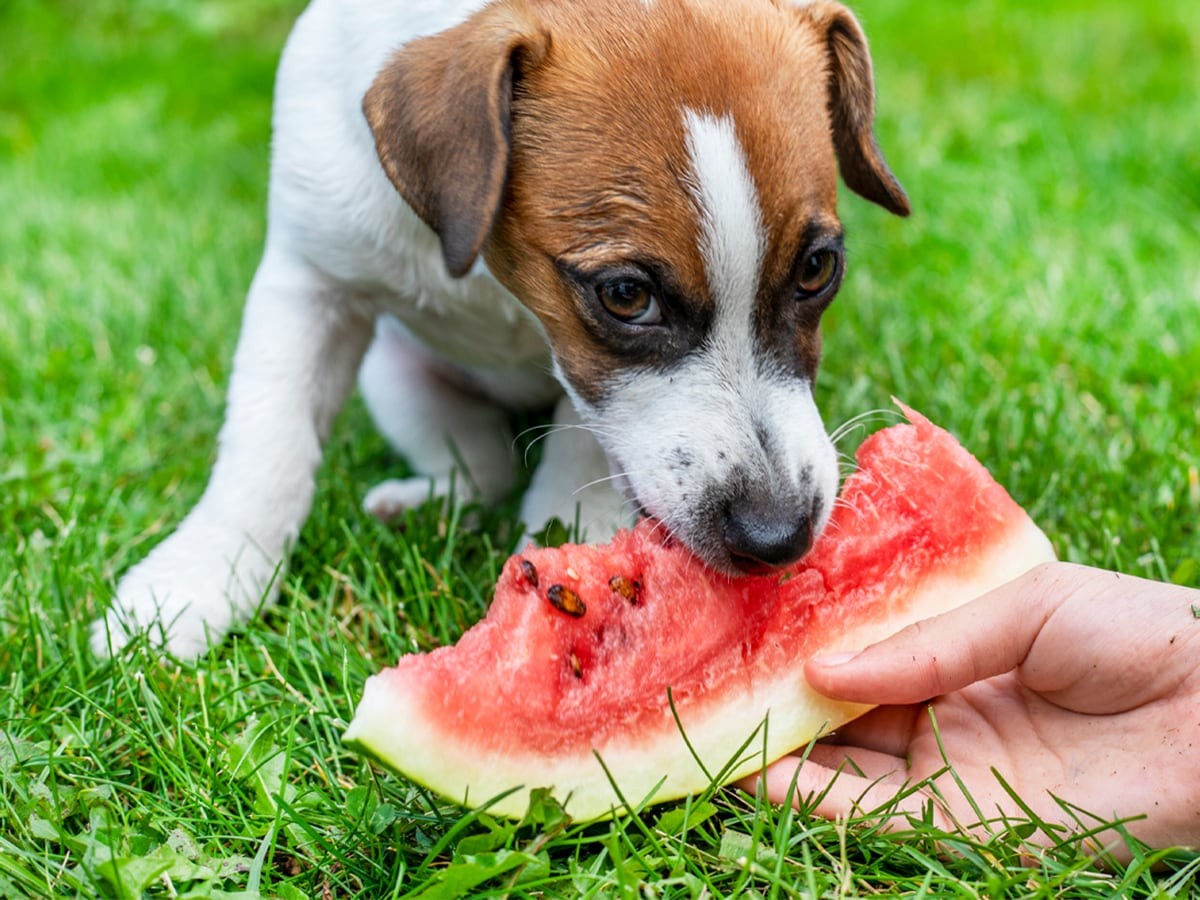
Opening Hook
Your dog just stole a chunk of watermelon off your plate. It happened in a flash, and now you’re frozen, phone in hand, typing frantically into Google. Is this an emergency? Should you call the vet? Did you just accidentally poison your best friend?
Take a breath. You’re probably fine.
But that panic you just felt after asking can dogs eat watermelon is real, and it’s incredibly common. Millions of dog owners experience this exact moment every summer. One second you’re enjoying a juicy slice on a hot afternoon, the next your dog has decided they want in on the action, and you have no idea if you should let them.
Here’s the frustrating part. When searching “can dogs eat watermelon” online, you get conflicting answers. One site says watermelon is a superfood for dogs. Another warns about deadly seeds and dangerous rinds. So which is it? If you’re asking can dogs eat watermelon, is it a healthy treat or a hidden hazard?
The honest answer sits somewhere in between, and the details actually matter. Get them right, and watermelon becomes one of the best summer treats you can offer. Get them wrong, and you could end up with a sick dog and an expensive vet bill.
This guide cuts through the confusion. You’ll learn exactly when watermelon is safe, when it becomes risky, and how to share it the right way. No fear-mongering. No vague advice. Just clear answers you can actually use the next time those begging eyes find you.
Strategic Executive Summary
Yes, can dogs eat watermelon is a question many owners ask, and the answer is that most dogs absolutely love it. The juicy red flesh is safe, hydrating, and packed with nutrients. But the seeds and rind tell a different story, and that distinction makes all the difference.
This guide takes a clear good-versus-bad approach to answering can dogs eat watermelon. You’ll learn which parts of watermelon help your dog and which parts can harm them. You’ll also discover why this fruit ranks among the healthiest summer treats available, and why veterinarians actively encourage it.
If you’re wondering can dogs eat watermelon, you’ll get answers that most articles gloss over. Is watermelon actually good for dogs, or just harmless? Can puppies handle it the same as adult dogs? What about yellow watermelon, or other melons like honeydew and cantaloupe? We tackle each question directly.
Beyond the basics of can dogs eat watermelon, you’ll understand the real risks. Watermelon seeds can cause intestinal problems in small dogs. The rind is tough to digest and creates choking and blockage concerns. Knowing these dangers lets you prevent them entirely with simple preparation.
You’ll also learn portion control. Even healthy treats cause problems in excess. We explain the widely recommended treat guideline and how to apply it based on your dog’s size, from tiny breeds to large ones.
Most importantly, you’ll walk away confident. Instead of panicking the next time your dog sneaks a bite, you’ll know exactly what to do. And instead of avoiding watermelon out of fear, you’ll feel comfortable offering it as the refreshing, nutritious treat it can be when prepared properly.
Can Dogs Eat Watermelon? The Honest Answer
Yes, dogs can safely eat watermelon. The seedless red flesh is non-toxic, hydrating, and nutritious. You simply need to remove the seeds and rind first, then serve it in moderation. That’s the whole rule in one sentence.
Let’s settle the question can dogs eat watermelon immediately. For anyone asking can dogs eat watermelon, the good news is that watermelon is not toxic to dogs. It won’t poison them. The flesh itself is completely safe and even beneficial.
Much of the confusion around can dogs eat watermelon comes from the parts that aren’t the flesh. Seeds and rind create risks, which is why some articles sound alarmed. But those risks are entirely preventable with thirty seconds of preparation.
When considering can dogs eat watermelon, think of it like this. A banana is healthy, but the peel isn’t meant to be eaten. Watermelon works similarly. The good part is genuinely good. The other parts just need to be removed first.
Veterinarians widely agree on this. Major pet health organizations list watermelon among recommended dog-safe fruits. It shows up on nearly every reputable list of healthy treats. The consensus is clear and reassuring.
So when your dog steals a piece of seedless watermelon flesh, you don’t need to panic. You need to make sure it was just the flesh, watch for any unusual reaction, and relax. In the vast majority of cases, your dog just enjoyed a perfectly healthy snack.
Is Watermelon Good for Dogs, or Just Safe?
For owners asking can dogs eat watermelon, it’s important to know that watermelon is genuinely good for dogs, not merely safe. It delivers hydration, vitamins, and antioxidants while staying low in calories. This combination makes it one of the smarter treat choices for health-conscious owners.
There’s a meaningful difference between “won’t hurt your dog” and “actually helps your dog.” Watermelon falls firmly into the second category.
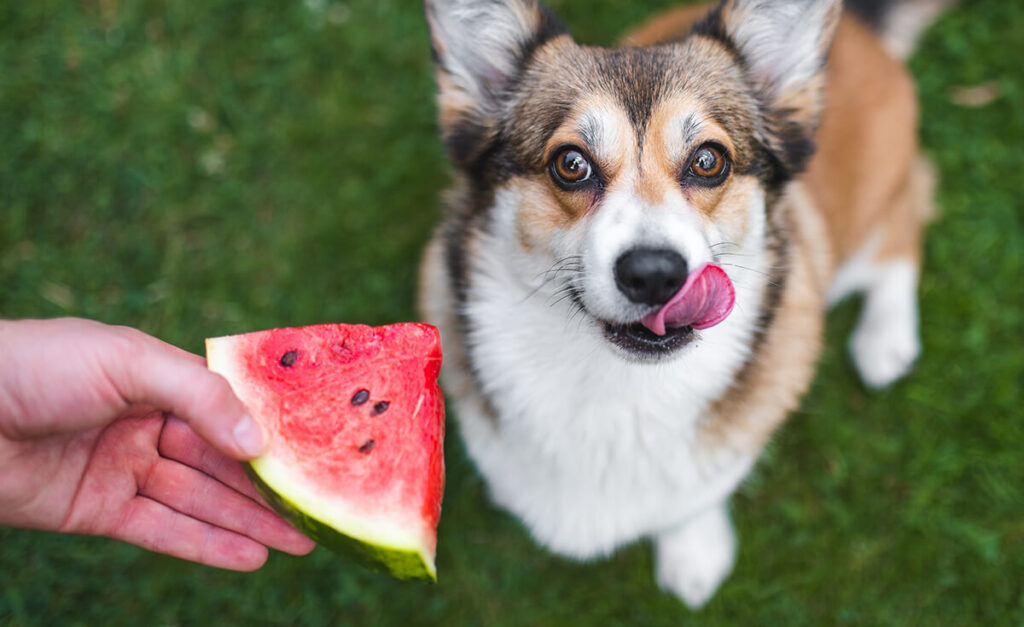
Start with water content. Watermelon is roughly 92 percent water, which makes it exceptional for hydration. On hot summer days, a few pieces help keep your dog cool and hydrated alongside their regular water bowl. This matters most for dogs that don’t drink enough on their own.
Then there are the vitamins. Watermelon contains vitamin A, which supports vision and skin health. It offers vitamin B6, important for brain function and metabolism. It includes vitamin C, an antioxidant that supports the immune system. These nutrients work together to benefit your dog’s overall health.
The antioxidants deserve special mention. Watermelon contains lycopene, the compound that gives the fruit its red color. Lycopene is a powerful antioxidant linked to cell protection and healthy aging. While research in dogs is still developing, the antioxidant benefits are well established across species.
Finally, consider the calorie count. Watermelon is remarkably low in calories, which makes it ideal for overweight dogs or those watching their weight. You can offer a satisfying treat without the guilt that comes with heavier snacks.
Put it all together, and watermelon isn’t just permitted. It’s actively worth offering.
When Watermelon Becomes Bad for Dogs
While dogs can eat watermelon, it turns risky when they eat the seeds, the rind, or too much of it. These three factors cause most watermelon-related problems, and all three are completely avoidable with proper preparation.
Understanding the dangers helps you sidestep them entirely. Here’s where watermelon goes from healthy to hazardous.
You can also read about can dogs have watermelon.
The Problem With Watermelon Seeds
Seeds are the first concern. They don’t digest easily and pass through your dog’s system largely intact. For large dogs, swallowing a few seeds usually causes no harm.
Small dogs are a different story. In tiny breeds, seeds can accumulate and create intestinal blockages, which are serious and sometimes require surgery. The risk scales with size, so the smaller your dog, the more careful you must be.
The solution is simple. Choose seedless watermelon, or carefully remove every black seed before serving. White immature seeds are softer and less concerning, but removing all seeds is the safest approach.
Why the Rind Causes Trouble
The rind is the second danger. That tough green outer layer is difficult for dogs to digest. Dogs that chew and swallow rind chunks often develop stomach upset, vomiting, or diarrhea.
Worse, the rind poses a choking hazard, and large pieces can cause intestinal blockages similar to seeds. Some dogs gulp without chewing properly, which makes the rind especially risky for enthusiastic eaters.
Always cut away the rind completely. Serve only the soft red flesh, and never let your dog gnaw on a rind as a chew.
The Danger of Too Much
Even perfectly prepared watermelon causes problems in large amounts. The natural sugars and fiber can trigger digestive upset, loose stools, or an upset stomach when dogs overindulge.
Moderation prevents this entirely. Treats should make up only a small portion of your dog’s diet, which brings us to portions.
How Much Watermelon Can a Dog Eat?
If you’re asking can dogs eat watermelon regularly, follow the ten percent rule: treats, including watermelon, should account for no more than ten percent of your dog’s daily calories. The rest should come from balanced dog food. Portion size scales with your dog’s weight.

This guideline helps ensure that dogs can eat watermelon as a healthy bonus rather than a dietary problem.
For small dogs, a few small cubes are plenty. Tiny breeds need very little, so think one or two bite-sized pieces rather than a full bowl.
For medium dogs, a small handful of cubes works well. They can handle a bit more without issue, but moderation still applies.
For large dogs, you have more flexibility. A larger handful of cubes is reasonable, though even big dogs shouldn’t treat watermelon as a meal replacement.
Whenever you introduce watermelon for the first time, start small. Offer one or two pieces and watch your dog over the next day. If their digestion stays normal, you can gradually offer a bit more. If they develop diarrhea or stomach upset, scale back or skip it altogether.
Some dogs simply have sensitive stomachs. For them, even small amounts of new foods cause trouble. Pay attention to your individual dog rather than applying a one-size-fits-all amount.
Can Puppies Eat Watermelon?
Many pet owners wondering can dogs eat watermelon also ask about puppies, and puppies can eat watermelon in smaller amounts and with extra caution. Their developing digestive systems are more sensitive than adult dogs, so introduce it slowly and watch carefully for any reaction.
Puppies love watermelon just as much as adult dogs, and the flesh is equally safe for them. The cold, juicy texture can even soothe sore gums during teething.
That said, puppies need a gentler approach. Their stomachs are still maturing, which makes them more prone to digestive upset from new foods. What an adult dog shrugs off might give a puppy loose stools.
Start with a single tiny piece. Wait a full day and observe. If your puppy handles it well with no diarrhea or vomiting, you can offer small amounts occasionally going forward.
Seed and rind removal matters even more for puppies. Their small size means seeds and rind pieces pose greater blockage and choking risks. Be especially thorough with preparation.
When in doubt, check with your veterinarian about introducing new treats. Puppies have specific nutritional needs, and your vet can guide you on timing and portions for your particular pup.
What About Other Melons? Honeydew and Cantaloupe
Dogs can eat honeydew and cantaloupe too, following the same rules as watermelon. Remove the seeds and rind, serve only the flesh, and keep portions moderate. These melons offer similar benefits with slightly more sugar.
If you’ve already learned that dogs can eat watermelon, you’ll be happy to know it isn’t the only dog-friendly melon.
Cantaloupe is safe and nutritious for dogs. It’s rich in vitamins A and C and offers good hydration. The main difference is sugar content, which runs a bit higher than watermelon, so smaller portions are wise.
Honeydew is also dog-safe. It provides hydration and nutrients, though some dogs find it less appealing than the sweeter alternatives. As always, the flesh is the only part to offer.
Across all melons, the preparation rules stay consistent. Skip the rind. Remove the seeds. Watch the portions. Whether it’s watermelon, cantaloupe, or honeydew, that same simple approach keeps your dog safe.
One note of caution: more sugar means more potential for digestive upset and a bigger concern for diabetic or overweight dogs. For those dogs especially, watermelon’s lower sugar makes it the safest melon choice.
Can Dogs Eat Yellow Watermelon?
Yes, if you’re wondering can dogs eat watermelon, they can eat yellow watermelon just as safely as the red variety. The preparation and portion rules are identical. The main difference is color and a slightly sweeter taste, not safety.
Yellow watermelon is less common, but it pops up at farmers markets and specialty stores. If you’ve got some, your dog can enjoy it.
Nutritionally, yellow watermelon is very similar to red. The biggest difference is that it contains less lycopene, the antioxidant responsible for the red color. It tends to taste a touch sweeter, which many dogs appreciate.
Everything else stays the same. Remove the seeds. Cut away the rind. Serve only the flesh in moderate amounts. Your dog won’t know the difference beyond a slightly different flavor, and the safety profile is essentially identical.
So whether your watermelon is red or yellow, the answer is the same. Prepare it properly, and it’s a perfectly good treat.
How to Safely Serve Watermelon to Your Do
To safely answer the question can dogs eat watermelon, follow three steps: remove the rind, remove the seeds, and cut the flesh into appropriate-sized pieces. From there, you can serve it fresh or frozen for a cooling summer treat.
Proper preparation transforms watermelon from potentially risky to completely safe. Here’s the straightforward process.
First, cut away all the rind. Remove the hard green outer layer entirely, along with the pale section just beneath it. Only the soft red or yellow flesh should remain.

Second, remove the seeds. Pick out every black seed you can find. Choosing seedless watermelon makes this step nearly effortless and is the easiest path for busy owners.
Third, cut the flesh into appropriate pieces. Size them to your dog. Small cubes for small dogs, slightly larger pieces for big dogs. Avoid pieces large enough to gulp and choke on.
For an extra-special treat, try freezing the prepared cubes. Frozen watermelon becomes a refreshing summer snack that helps cool your dog on hot days and lasts longer as they nibble. Teething puppies especially love the cold sensation on their gums.
You can also blend seedless flesh and freeze it in ice cube trays for easy portioned treats. Just keep it plain, without added sugar or sweeteners, since some artificial sweeteners are dangerous for dogs.
Signs of Trouble to Watch For
Even after learning that dogs can eat watermelon, stay alert for signs that something isn’t sitting right. Most dogs handle watermelon beautifully, but awareness helps you catch the rare problem early.
After your dog eats watermelon, watch for vomiting, diarrhea, or signs of stomach discomfort. Mild upset usually passes within a day and often points to simple overindulgence.
More concerning signs include repeated vomiting, a swollen or painful abdomen, lethargy, loss of appetite, or trouble passing stool. These can signal an intestinal blockage, especially if your dog swallowed seeds or rind.
If you notice these serious symptoms, contact your veterinarian promptly. Blockages are time-sensitive, and early intervention makes a real difference.
The good news is that these problems are uncommon when you prepare watermelon correctly. Remove the risky parts, control the portions, and the odds of trouble drop dramatically.
Frequently Asked Questions
Q: Can dogs eat watermelon every day?
A: In small amounts, yes, watermelon can be a regular treat. Just keep it within the ten percent treat guideline and ensure the rest of your dog’s diet stays balanced. Daily large portions can cause digestive upset.
Q: Are watermelon seeds toxic to dogs?
A: Watermelon seeds aren’t toxic, but they can cause intestinal blockages, especially in small dogs. Always remove seeds or choose seedless watermelon to be safe.
Q: Can dogs eat watermelon rind?
A: No. The rind is difficult to digest and poses choking and blockage risks. Always remove the rind completely and serve only the flesh.
Q: Is watermelon bad for dogs with diabetes?
A: Watermelon contains natural sugars, so diabetic dogs should only have tiny amounts, if any. Always consult your veterinarian before offering it to a diabetic dog.
Q: How much watermelon is too much for a dog?
A: Anything beyond the ten percent treat guideline risks digestive upset. For small dogs that means just a couple of cubes, while larger dogs can handle a bit more.
Q: Can puppies eat watermelon?
A: Yes, but in smaller amounts with extra care. Introduce it slowly, remove all seeds and rind, and watch closely for any digestive reaction.
Q: Do dogs actually like watermelon?
A: Most dogs love watermelon for its sweetness and juicy texture. That said, every dog is different, and some simply aren’t interested, which is perfectly fine.
Q: Can dogs drink watermelon juice?
A: Fresh watermelon flesh is better than juice. Store-bought juices often contain added sugars and preservatives that aren’t good for dogs. Stick to plain flesh.
Conclusion: A Safe, Refreshing Treat When Done Right
So, can dogs eat watermelon? Absolutely. When you remove the seeds and rind and serve it in moderation, watermelon is a safe, healthy, genuinely beneficial treat that most dogs adore.
Remember that panic from the opening, when your dog stole a piece off your plate? Now you know there’s rarely any reason to worry. As long as it was the flesh and not a mouthful of seeds or rind, your dog simply enjoyed a nutritious snack.
The key takeaways for anyone asking can dogs eat watermelon are simple. The red or yellow flesh is good for your dog, offering hydration, vitamins, and antioxidants with very few calories. The seeds and rind are the only real risks, and removing them takes seconds. Moderation keeps everything in healthy balance.
The answer to can dogs eat watermelon is positive, which is why watermelon has earned its place among the best summer treats for dogs. Unlike many human foods that come with long lists of warnings, this one asks only that you prepare it thoughtfully.
Now that you know can dogs eat watermelon, your next step is easy. The next time you slice into a watermelon, set aside a few seedless, rind-free cubes for your dog. Watch their tail wag as they enjoy a treat that’s actually good for them. On a hot day, freeze a few pieces for an extra-refreshing version.
Has your dog tried watermelon yet? What’s their favorite summer treat? Share your stories in the comments below. Your experience might help another owner feel confident about treating their own pup.