


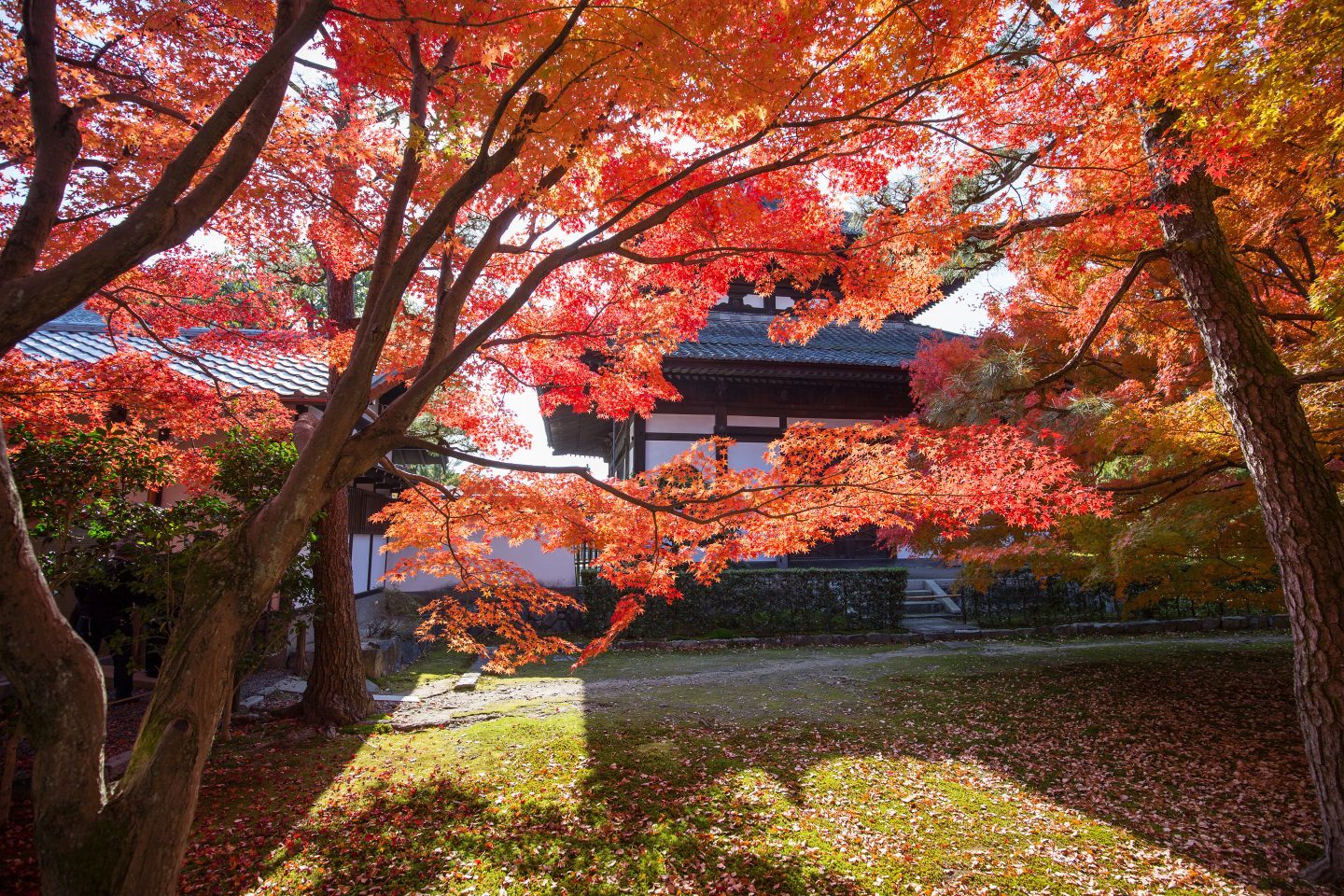
You’ve finally decided to do it. You’re booking a trip to the best places to see autumn leaves Japan to witness the legendary autumn leaves, the ones flooding your social media feed every November in impossible shades of crimson and gold.
Then you open a calendar, and the excitement turns to confusion. When exactly should you go? October? November? December? And once you pick dates, where do you even go? Japan is long and mountainous, and somewhere out there the leaves are peaking right now, while somewhere else they’re still green.
This is the puzzle that trips up nearly every first-time visitor. They book based on a pretty photo, arrive at the wrong place at the wrong time, and find either green leaves or bare branches instead of the fiery display they imagined.
Here’s the secret that solves everything. Japan’s autumn isn’t a single event. It’s a wave of color that rolls across the entire country over roughly three months, moving from the cold north to the warm south. Nail the timing, and you’ll stand beneath peak foliage. Miss it, and you’ll wonder what all the fuss was about.
The good news is that this wave is predictable. Once you understand how it moves, you can match your travel dates to exactly the right destination and all but guarantee a spectacular trip.
By the end of this guide, you’ll know precisely when autumn peaks in each region, the best places to see it at every stage, and how to build an itinerary that follows the color instead of chasing it.
Best Places to see autumn leaves japan Strategic Executive Summary
The best places to see autumn leaves in Japan depend entirely on your travel dates. This guide organizes Japan’s fall foliage by timing, so you can match when you visit to where the leaves are peaking.
You’ll learn how the koyo front moves across Japan. Unlike spring cherry blossoms, which sweep north as it warms, autumn color spreads south as it cools, beginning in Hokkaido in September and reaching Kyoto and Tokyo by late November. This single fact shapes every smart autumn trip.
You’ll get the right destinations for each stage of the season. Early-season travelers should head north or to high mountains. Peak-season visitors get the iconic temples and gardens of Kyoto and Tokyo. Late-season travelers can still find brilliant color in select city spots and southern regions.
This guide also covers the difference between koyo and momiji, two terms that confuse travelers, plus the cultural tradition behind Japan’s centuries-old love of leaf viewing.
Beyond locations, you’ll get practical planning help. A sample autumn itinerary, advice on fall in Tokyo specifically, and tips for using live forecasts to fine-tune your trip all feature here.
Most importantly, you’ll understand the one principle that separates a frustrating trip from an unforgettable one: pick a region that matches your dates, and explore it deeply, rather than racing across the country chasing colors that won’t peak at the same time. Master that, and Japan’s autumn will deliver everything you hoped for.
Koyo and Momiji: The Words Behind the Leaves
Koyo is the general Japanese term for autumn foliage, covering all the reds, oranges, and yellows. Momiji refers specifically to the iconic red Japanese maple leaves. Both describe the season, but momiji is what most travelers picture.
Before planning, it helps to know the language locals use, because you’ll see these words everywhere.
Koyo is the broad term for the entire autumn color phenomenon. When Japanese forecasts or guides mention koyo season, they mean the whole stretch when leaves transform across the country.
Momiji is more specific, pointing to the deep red Japanese maple leaves that define the classic autumn image. Think of koyo as the full show and momiji as its star performer, the brilliant crimson that draws photographers and travelers alike.
There’s also a cultural tradition worth knowing. The practice of traveling to view autumn leaves, sometimes called momijigari or maple hunting, dates back over a thousand years to Japan’s Heian period. For centuries, Japanese people have treated leaf viewing as a cherished seasonal ritual, much like cherry blossom viewing in spring.
Understanding these terms does more than build vocabulary. It helps you read local foliage forecasts and signs, which often reference momiji season directly, so you can track exactly where and when the color is peaking.
When Is Fall Foliage in Japan?
Japan’s fall foliage spans roughly mid-September through early December. The color begins in northern Hokkaido and high mountains, then moves south, reaching Kyoto and Tokyo in late November to early December. Timing depends entirely on region and elevation.
This is the most important section in the entire guide, because timing determines everything.
Japan’s autumn color follows what’s called the koyo front. It moves in the opposite direction of spring’s cherry blossoms. While sakura bloom from south to north as temperatures rise, autumn leaves spread from north to south as temperatures fall. The front also moves from high elevation down to lower areas.
In practical terms, that gives you a clear timeline. Mid-September through mid-October brings peak color to Hokkaido in the far north. Late October into early November lights up the central mountains and higher-elevation areas. Mid-November through early December is when the famous southern cities finally turn, including Kyoto and Tokyo.
For 2026, forecasts point to a fairly typical season overall, though warmer recent temperatures have nudged some southern dates slightly later. Kyoto’s peak is expected around late November into early December, with some city gardens holding color into mid-December.
The lesson is simple but powerful. There’s no single best time to see Japan’s autumn leaves. There’s only the best time for a specific place. Choose your destination to match your dates, not the other way around.
Early Season: Where to Go in September and October
For early-autumn travel in September and October, head to Hokkaido in the north or Japan’s high mountain regions. These areas turn first, offering peak color weeks before the famous southern cities.
If your trip falls early in the season, don’t aim for Kyoto and expect red maples. Aim north and high instead.
Hokkaido is Japan’s autumn pioneer. As the northernmost region, its cooler air arrives first, and color appears as early as mid-September. The vast national parks and mountainous areas here transform while the rest of the country is still green.
Around Hokkaido, hot spring towns and mountain valleys make ideal early-season bases. You can pair brilliant foliage with relaxing thermal baths, and in some higher areas you might even catch the season’s first dusting of snow on the peaks, creating a striking contrast against the colorful slopes below.
High-elevation spots in central Japan also turn early. Because the koyo front descends from the mountains, alpine areas and elevated national parks reach peak color in October, well ahead of the lowland cities.
For October travelers especially, this opens up a strategy. While most tourists wait for November in Kyoto, you can enjoy uncrowded peak foliage in the north and the mountains. It’s one of the smartest ways to experience Japanese autumn without the peak-season crowds.
You can also read about Best Family-Friendly Bars Near You That Welcome All Ages.
Peak Season: The Best Places in November
November is peak season for Japan’s most iconic autumn destinations. Kyoto’s temples, Tokyo’s gardens, the Mount Fuji lake region, and Nikko all reach brilliant color, making this the most popular and rewarding time to visit.
For most travelers, November is the golden window, when the postcard-famous spots finally ignite.
Kyoto is the crown jewel of Japanese autumn. The contrast between ancient dark-wood temples and fiery red maples creates scenes that feel almost unreal. The city’s many temples, gardens, and riverside districts deliver world-class momiji, typically peaking from around November 20 into early December. Arriving early in the morning helps you beat the considerable crowds at popular temples.
The Mount Fuji lake region pairs Japan’s most famous mountain with vivid foliage. Around the lakes, corridors of red maples frame views of Fuji itself, producing some of the most photographed autumn scenes in the country.
Nikko, a couple of hours from Tokyo, combines historic shrines with dramatic natural beauty. Because it sits at higher elevation, it tends to peak a little earlier than the cities, often in late October to early November, making it perfect for travelers who arrive before the lowlands turn.
And Tokyo itself surprises many visitors with how beautiful its autumn can be, which deserves its own closer look.
Fall in Tokyo: Autumn Color in the City
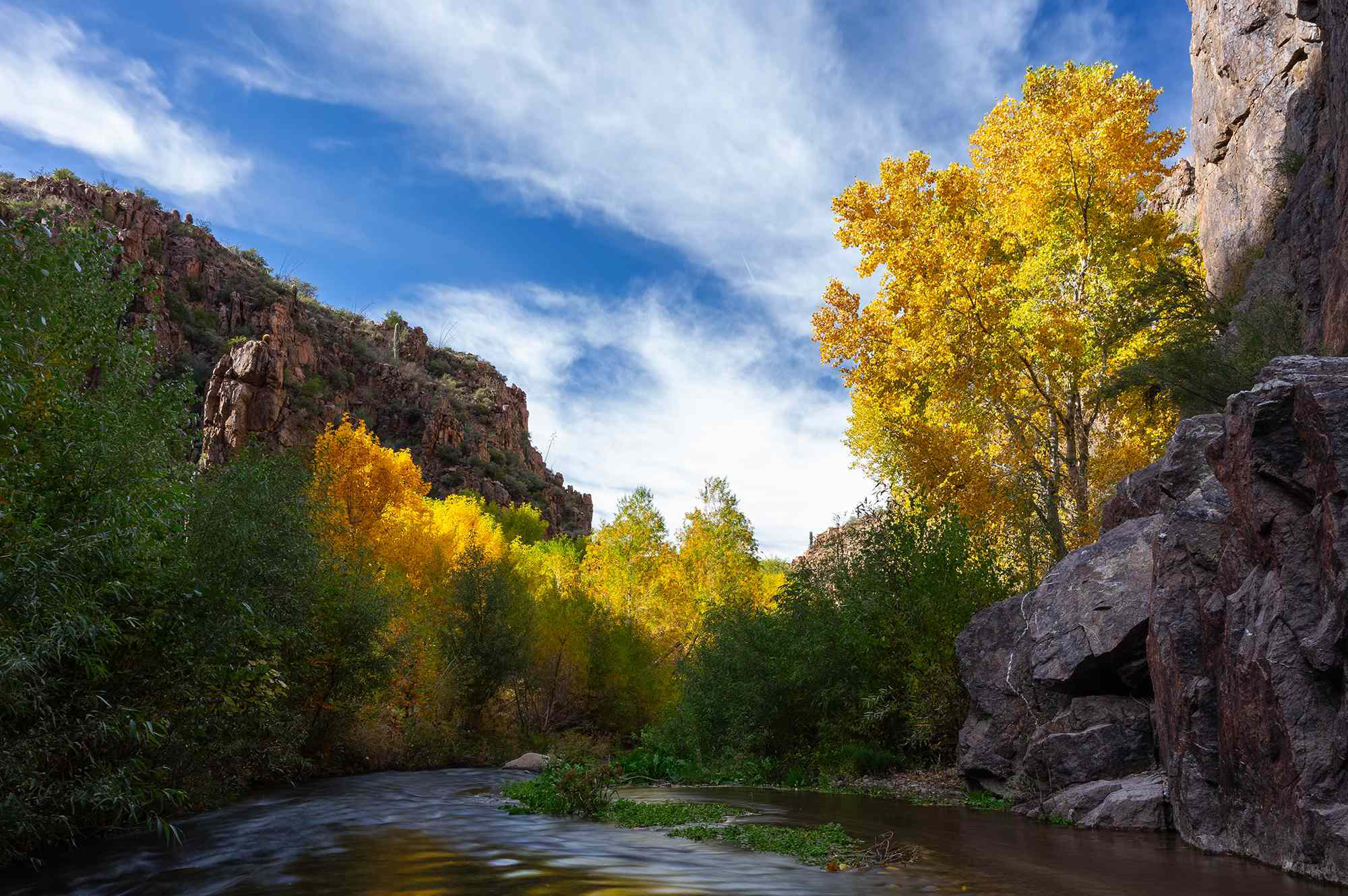
Fall in Tokyo offers stunning autumn color without leaving the city. Parks, traditional gardens, and tree-lined avenues turn gold and crimson, typically peaking from late November into mid-December, slightly later than Kyoto.
Many travelers assume Tokyo is all concrete and neon. In autumn, the city proves them wrong.
Tokyo is dotted with green spaces that transform beautifully. Sprawling national gardens offer serene strolls among red maples, while traditional landscaped gardens showcase the prized crimson leaves that draw locals every year. These spots feel like peaceful escapes within the bustling metropolis.
The city is also famous for its golden ginkgo avenues. Long rows of ginkgo trees turn brilliant yellow, creating glowing corridors that rank among Tokyo’s most photographed autumn sights. The effect of orderly gold against the urban backdrop is unforgettable.
One advantage of fall in Tokyo is timing. Because the city peaks slightly later than Kyoto, some Tokyo gardens hold their color into mid-December. This makes the capital an excellent choice for travelers arriving in early December who want to avoid peak November crowds while still catching vivid foliage.
For visitors combining a classic Tokyo trip with autumn scenery, the city delivers both energy and beauty in the same itinerary, no day trips required.
Late Season: Catching Color in December
For December travelers, late-changing Tokyo gardens and southern Japan still offer autumn color. Select city spots hold their leaves into mid-December, while milder southern regions turn later than the rest of the country.
Arriving in December doesn’t mean you’ve missed the show. You just need to know where the late color lingers.
In Tokyo, certain gardens are known for staying vibrant well into December, sometimes until around the middle of the month. These late-blooming spots are ideal for early-December visitors who want both foliage and the mild, pleasant temperatures the season brings.
Southern Japan also turns later than the north and center. Because the koyo front finishes its journey in the warmer south, regions there can hold autumn color into December, giving late-season travelers another option.
This late window has a hidden benefit: fewer crowds. The peak-November rush has passed, popular spots feel calmer, and you can enjoy the color at a more relaxed pace. For travelers who prefer quiet over crowds, late season can be the sweet spot.
The key is matching your December dates to these specific late-color areas rather than expecting peak foliage in places that have already finished. Plan around the lingering spots, and December can still deliver.
A Sample Japan Autumn Itinerary
A smart autumn itinerary for Japan follows the color rather than fighting it. A classic late-November route links Tokyo, the Mount Fuji area, and Kyoto, giving you city gardens, mountain views, and temple foliage in one trip.
Putting it all together, here’s how a well-timed autumn trip can flow.
For a late-November visit, the golden route works beautifully. Begin in Tokyo, exploring its gardens and ginkgo avenues as the city approaches peak. From there, head to the Mount Fuji lake area for foliage framing the iconic mountain. Then continue to Kyoto, timing your arrival for its late-November peak among the temples.
For an earlier October trip, flip the strategy. Focus on Hokkaido and the high mountains, where color peaks while the cities stay green. This route trades famous temples for dramatic northern landscapes and far smaller crowds.
Whatever your dates, one principle should guide your itinerary above all: pick a region and explore it deeply rather than rushing across the entire country. Because the koyo front moves over weeks, you cannot see the north and the south at peak in the same short trip. Trying to do so leaves you constantly arriving too early or too late.
The traveler who spends several unhurried days in one peaking region sees far more beauty than the one sprinting through five destinations. Let the timing choose your route, and your itinerary will fall into place.
Tips for Planning Your Autumn Trip
A few practical habits dramatically improve your chances of catching peak color.
Use live foliage forecasts. Japan publishes national forecasts that update through September, October, and November. Checking these as your trip nears lets you adjust day trips and decide whether to chase earlier or later color.
Ask locals once you arrive. Hotel staff and station tourist counters often have more current, specific information than national maps. Their local reports can make or break a day trip.
Visit popular spots early in the morning. Famous temples and gardens get crowded fast during peak season. An early start rewards you with better photos and a more peaceful experience.
Consider elevation as a backup. If you miss peak color in one area, you can often find it nearby simply by changing elevation, since higher spots turn earlier and lower ones later.
Book accommodations early for peak season. Late November fills up quickly in Kyoto especially, so reserve well ahead to secure the best timing and location.
You can also read about Veterans Day: History, Meaning, and Traditions You Should Know.
Frequently Asked Questions
Q: When is the best time to see autumn leaves in Japan?
A: It depends on the region. Hokkaido peaks from mid-September to mid-October, central mountains in late October, and Kyoto and Tokyo from late November into early December. Match your dates to the destination.
Q: What is the difference between koyo and momiji?
A: Koyo is the general term for all autumn colors, while momiji refers specifically to red Japanese maple leaves. Momiji is what most travelers picture when imagining Japanese autumn.
Q: Where can I see fall foliage in Tokyo?
A: Tokyo’s national and traditional gardens plus its golden ginkgo avenues offer beautiful color. Fall in Tokyo typically peaks from late November into mid-December, slightly later than Kyoto.
Q: Is October too early for autumn leaves in Japan?
A: Not at all, if you head north or high. Hokkaido and mountain regions peak in October, well before the southern cities. October is ideal for early-season, low-crowd foliage.
Q: How long does autumn foliage last in Japan?
A: The overall season spans roughly three months across the country, though any single location holds peak color for about two weeks. The wave moves steadily from north to south.
Q: Can I still see autumn leaves in December?
A: Yes. Certain Tokyo gardens hold color into mid-December, and milder southern regions turn later. December travelers also enjoy thinner crowds than the November peak.
Q: Should I plan an itinerary around one region or several?
A: One region is far better. Because the koyo front moves over weeks, distant regions don’t peak simultaneously. Picking one peaking area and exploring it deeply gives the best results.
Conclusion: Follow the Color, Not the Crowds
So where are the best places to see autumn leaves in Japan? The honest answer is that it depends on when you go, and now you know how to match the two perfectly.
Remember that calendar confusion from the opening, unsure whether to book October, November, or December? That uncertainty is gone. You understand the koyo front now, the wave of color that rolls from the northern mountains down to the southern cities over three unforgettable months.
The key takeaways are worth holding onto. Early-season travelers head north to Hokkaido and the high mountains. Peak-season visitors claim the iconic temples and gardens of Kyoto and Tokyo in November. Late-season travelers find lingering color in select city gardens and the warmer south. And above all, you pick one region that matches your dates and explore it deeply.
What makes Japan’s autumn so special isn’t just the beauty. It’s the way the season rewards thoughtful planning, turning a well-timed trip into something genuinely magical.
Your next step is simple. Lock in your travel dates, then use this timing guide to choose the region where the leaves will be peaking. Check the live forecasts as your trip approaches, book early for peak season, and prepare to witness one of the world’s great natural spectacles at exactly the right moment.
When are you planning to visit Japan for the autumn leaves, and which region calls to you most? Share your dates in the comments below, and let’s make sure you catch the color at its peak.