


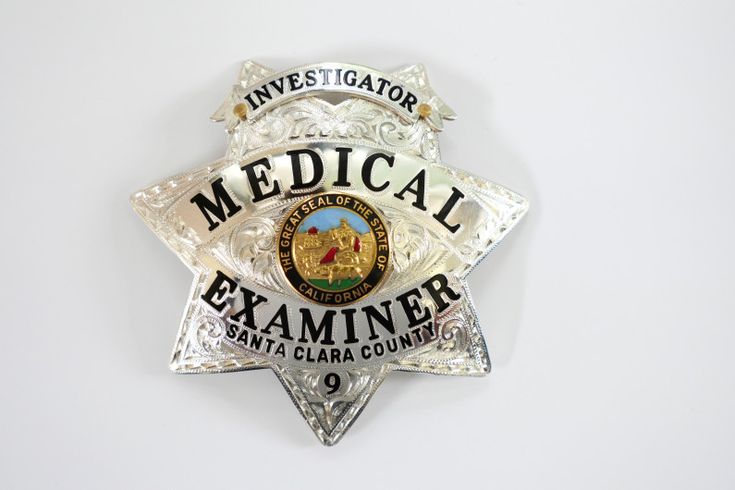
You’re searching for the Maricopa medical examiner or the “Maricopa County coroner,” maybe to get a death record, understand an investigation, or simply find the right office to call during a difficult time. But as you look, you notice something confusing. Some results say “coroner,” others say “medical examiner.” Are they the same thing? Which one do you actually need?
This confusion is completely understandable, and you’re far from alone in feeling it. The terms “coroner” and “medical examiner” get used interchangeably in everyday language, in TV shows, and across the internet. Yet they aren’t quite the same, and in Arizona specifically, the distinction matters.
If you’ve just lost someone, or you’re trying to handle official paperwork, the last thing you need is to waste time contacting the wrong office or misunderstanding the process. Clarity helps, especially during an already stressful time.
This guide clears it all up. It explains the difference between a coroner and a medical examiner, which system Maricopa County actually uses, what the office does, and how to handle the practical matters families need most, like obtaining death records and certificates.
Throughout, the goal is simple: to give you accurate, compassionate guidance so you can find the right office and the right information without added confusion. Let’s start by untangling those two terms.
Maricopa Medical Examiner: Strategic Summary
This guide explains the difference between a coroner and a medical examiner, and how the Maricopa County system works, with a focus on death records and family guidance.
You’ll first learn the key distinction between the two terms, and discover that Maricopa County, Arizona, uses a medical examiner system rather than an elected coroner.
The guide explains what the Maricopa County Office of the Medical Examiner does, including investigating and certifying certain deaths to determine their cause and manner.
You’ll learn which deaths fall under the office’s jurisdiction, since it investigates only specific types of deaths defined by Arizona law, not every death in the county.
A major focus is on death records, clarifying the important difference between the medical examiner’s report and the official death certificate, which come from different places.
You’ll get practical guidance on obtaining both documents, checking case status, and the support available to families during the process.
By the end, you’ll understand exactly which office you need, what it does, and how to obtain the records and support you’re looking for, all explained with the clarity and compassion this sensitive topic deserves.
Coroner vs Medical Examiner: The Key Difference
A coroner is typically an elected official who may not be a physician, while a medical examiner is an appointed, medically trained doctor, usually a forensic pathologist. Maricopa County, Arizona, uses a medical examiner system, not a coroner.
Let’s resolve the core confusion right away.
Historically, a coroner is an official, often elected, responsible for investigating deaths. In many places, a coroner is not required to be a physician, and the role has deep historical roots. This is the term many people know from tradition and popular culture.
A medical examiner, by contrast, is an appointed official who is a trained physician, typically a forensic pathologist specializing in determining causes of death. The medical examiner system is generally considered a more medically rigorous, modern model.
The important takeaway for our purposes is that Maricopa County, Arizona, uses a medical examiner system. So while people commonly search for the “Maricopa County coroner,” the correct office is actually the Maricopa County Office of the Medical Examiner. There isn’t a separate elected coroner in this system.
This means that if you’re looking for the “coroner” in Maricopa County, you’re really looking for the Office of the Medical Examiner. They are, in practical terms, the same office you need, just under the more accurate title. With that cleared up, let’s look at what this office actually does.
What the Medical Examiner’s Office Does
The Maricopa County Office of the Medical Examiner investigates and certifies certain deaths, determining the cause of death, the medical reason, and the manner of death, the circumstances classification, in cases that fall under its legal jurisdiction.
Understanding the office’s role makes the whole process clearer.
The office is a county government agency staffed by forensic professionals, including forensic pathologists. Its core responsibility is the medicolegal investigation of specific deaths, serving the public interest by determining how and why certain people died.
Two key terms define its work. The cause of death is the medical reason someone died, while the manner of death is the classification of circumstances, such as natural, accident, or other legally defined categories. Establishing both is central to the office’s function.
You can also read about SNAP State Guides 2025.
To reach these determinations, the office gathers information from law enforcement, medical records, and other sources, and when necessary, conducts an examination of the body. This work is carried out by medically trained doctors specializing in forensic pathology.
Importantly, the office serves the community as a whole. By investigating these deaths, it helps identify public health concerns, supports the justice system, and provides families with official answers and documentation. It’s a vital public service, especially during the difficult circumstances surrounding an unexpected death.
Which Deaths Fall Under Its Jurisdiction
The Medical Examiner investigates only specific deaths defined by Arizona law, including violent, sudden, unexpected, or unexplained deaths, and deaths of people not under a healthcare provider’s care. It does not investigate every death in the county.
A common misunderstanding is that the office handles all deaths, so this is worth clarifying.
Arizona law specifies which deaths must be reported to and investigated by the Medical Examiner. These generally include deaths resulting from violence, deaths that are sudden, unexpected, or unexplained, and the death of a person not under the current care of a healthcare provider.
Other categories include deaths in custody, the unexpected death of an infant or child, deaths that may pose a public health hazard, deaths possibly related to a person’s occupation, and deaths during or following certain medical procedures. These criteria focus the office’s resources where investigation is legally required.
When a death occurs under these circumstances, it’s reported to the office, which then determines whether it has jurisdiction. If the case meets the legal criteria, the office takes responsibility for the investigation and certification.
If a death doesn’t fall under these categories, such as an expected death of someone under a doctor’s ongoing care, it’s typically certified by the attending physician instead. This screening ensures the Medical Examiner handles the cases the law assigns to it, while other deaths are handled through appropriate channels.
Death Records: Report vs Death Certificate
Two different documents relate to a death: the medical examiner’s report, produced by the Office of the Medical Examiner, and the official death certificate, issued separately through vital records. Understanding this difference is key to getting what you need.
This distinction causes more confusion than almost anything else, so let’s make it clear.
The medical examiner’s report is the document produced by the Office of the Medical Examiner detailing its investigation and findings, including the determined cause and manner of death. This report comes directly from the medical examiner’s office through a records request.
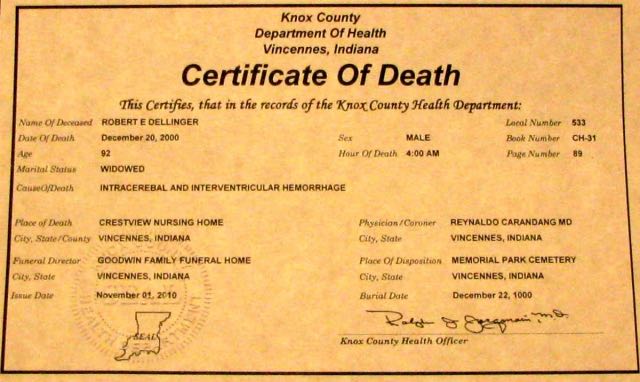
The death certificate, on the other hand, is the official legal document that records a person’s death. It’s used for practical matters like settling estates, claiming insurance, and closing accounts. Crucially, the Medical Examiner does not issue the death certificate itself.
Instead, the Medical Examiner completes the medical portion of the death certificate, generally within a set timeframe after the examination. The actual certificate is then issued through a separate government office that handles vital records.
Knowing which document you need saves time and frustration. If you need official proof of death for legal or financial purposes, you need the death certificate. If you need the details of the investigation and findings, you need the medical examiner’s report. They come from different places, through different processes, which we’ll cover next.
How to Obtain a Death Certificate
A death certificate in Maricopa County is obtained through the Office of Vital Registration or your funeral home, not directly from the Medical Examiner. The Medical Examiner only completes the medical portion of the certificate.
Since this is what most families need first, here’s how it works.
To obtain the actual death certificate, you go through the Maricopa County Office of Vital Registration, part of the county’s public health department, or often more conveniently, through your chosen funeral home or mortuary. Funeral homes frequently assist families with ordering death certificates as part of their services.
You may encounter a death certificate marked as “pending.” This happens when the cause and manner of death haven’t yet been determined, often because further testing is needed. Importantly, a pending death certificate is still legal proof of death, and many institutions accept it for handling immediate matters.
Once the investigation concludes, the Medical Examiner finalizes the medical details, and an amended certificate with the final cause and manner of death is filed. Families can then obtain the updated version.
Because eligibility, fees, and the exact ordering process can change, it’s best to confirm the current requirements directly with the official county resources before requesting a certificate. Your funeral home can also guide you through this step, easing the burden during a difficult time.
How to Get the Medical Examiner Report
To obtain a copy of the medical examiner’s report, families complete a public records request through the Office of the Medical Examiner. There is typically no fee for legal next of kin or for an electronic copy.
For those who need the investigation’s findings, here’s the process.
The medical examiner’s report is obtained by submitting a public records request to the Office of the Medical Examiner. This is the formal channel for accessing the documentation the office produces from its investigation.
Helpfully, obtaining the report is generally free of charge for legal next of kin, or when you request an electronic copy. This helps ensure families can access the findings without an added financial burden during an already hard time.
Keep in mind that a report may be listed as pending while testing, such as toxicology, is still underway. The complete report, including the final cause and manner of death, is available once the investigation concludes, which can take time depending on the case.
Because request procedures and forms are updated over time, the most reliable approach is to visit the official county website for the current process and forms, or to contact the office’s administrative staff directly. They can guide you on what’s needed and how the request is handled.
Checking Case Status and Getting Support
Families can check a case’s status through the office’s online case status system and can receive help from a dedicated Family Advocate, who assists with navigating the process during a difficult time.
Beyond documents, families often need updates and support, and both are available.
The office provides an online case status system where you can look up information about a case. This is often the quickest way to see where things stand without repeated phone calls, which is helpful since investigations, especially those involving additional testing, can take time.
For support, the office has a Family Advocate, a staff member dedicated to helping families through the process. The Family Advocate can answer questions and, in some situations, assist with matters like handling death benefits when a cause of death is still pending.
The release of a loved one occurs after the examination is complete. To begin this process, the legal next of kin contacts a funeral home, mortuary, or cremation provider, who then coordinates the release with the office on the family’s behalf.
It’s also worth knowing that, as a forensic facility, the office does not permit viewing of remains on-site, with identification typically done through photographs. Families wishing to view their loved one should arrange this through their funeral service provider. Throughout, the office aims to treat families with care and compassion.
You can also read about Can Dogs Eat Watermelon.
Verifying Current Information
Because this is a sensitive and important matter, always confirm details with official sources.
Contact information, fees, forms, and procedures for both the Medical Examiner’s office and vital records can change over time. To ensure you have accurate, current information, rely on the official Maricopa County website rather than third-party sources.
The official Maricopa County government website is the authoritative source for the Office of the Medical Examiner’s current contact details, case status tools, and records request forms, as well as for the Office of Vital Registration’s death certificate process.
You can find these resources at the county’s official site, maricopa.gov, which links to both the medical examiner and vital records departments. Confirming this ensures you’re working with the most up-to-date guidance.
Taking a moment to verify through official channels protects you from outdated or inaccurate information, which matters especially when handling something as important as a death record or investigation during an already difficult time.
Frequently Asked Questions
Q: Does Maricopa County have a coroner or a medical examiner? A: Maricopa County uses a medical examiner system, so the correct office is the Office of the Medical Examiner. People often search for “coroner,” but that’s the office they need.
Q: What’s the difference between a coroner and a medical examiner? A: A coroner is often an elected official who may not be a physician, while a medical examiner is an appointed, medically trained doctor, typically a forensic pathologist. Arizona uses the medical examiner model.
Q: How do I get a death certificate in Maricopa County? A: Death certificates come from the Office of Vital Registration or through your funeral home, not the Medical Examiner directly. The Medical Examiner only completes the certificate’s medical portion.
Q: How is the medical examiner’s report different from a death certificate? A: The report details the investigation and findings and comes from the Medical Examiner. The death certificate is the official legal proof of death, issued separately through vital records.
Q: How do I get a copy of the medical examiner’s report? A: Submit a public records request to the Office of the Medical Examiner. There’s typically no fee for legal next of kin or for an electronic copy. Check the official site for current forms.
Q: Why is a death certificate marked “pending”? A: It means the cause and manner of death aren’t yet determined, often pending further testing. A pending certificate is still legal proof of death and is accepted for many purposes.
Q: Where can I find official, current information? A: Always use the official Maricopa County website, maricopa.gov, for current contact details, forms, and processes for both the Medical Examiner and vital records offices.
Conclusion: Clarity When You Need It Most
So, coroner or medical examiner? For Maricopa County, the answer is clear: it uses a medical examiner system, and the office you need is the Office of the Medical Examiner, even if you started your search looking for a “coroner.”
Remember that confusion from the opening, unsure which office and which term applied? Now it makes sense. You understand the difference between the two roles, which system the county uses, and, just as importantly, how to handle the practical matters that brought you here.
The key takeaways are these. The Medical Examiner investigates specific deaths and determines their cause and manner. The report and the death certificate are different documents from different offices. Death certificates come through vital records or your funeral home, while the report comes from the Medical Examiner via a records request.
Above all, you don’t have to navigate this alone or in confusion. Support is available through the office’s Family Advocate, and your funeral service provider can guide you through much of the process.
Your next step is straightforward. Identify which document or information you need, then visit the official Maricopa County website to find the current forms, contacts, and processes. And if you’re walking through a loss right now, please be gentle with yourself and lean on the support available to you.
Was this distinction between coroner and medical examiner helpful, or is there something else about the process you’re trying to understand? Share your questions in the comments below.